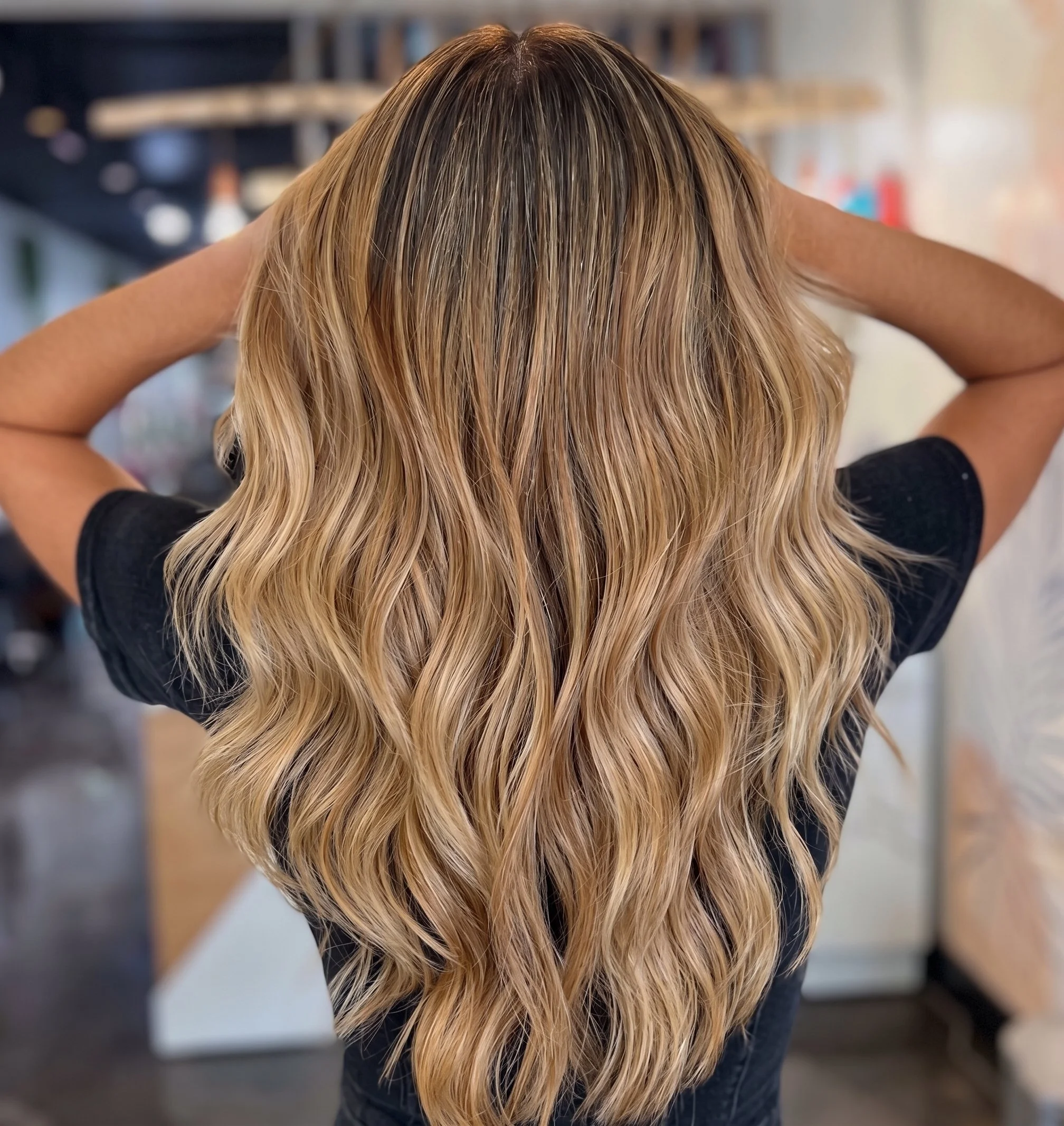
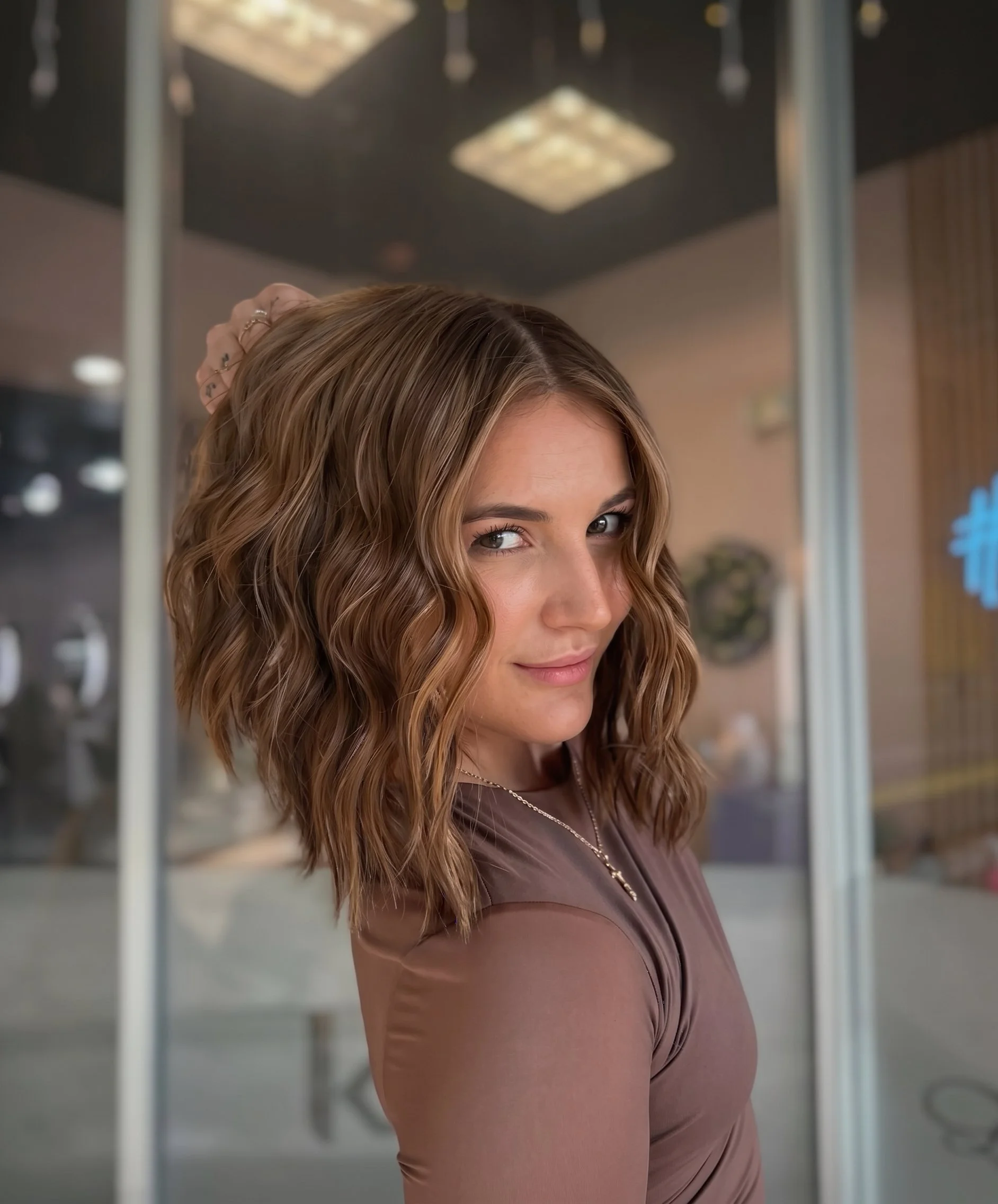
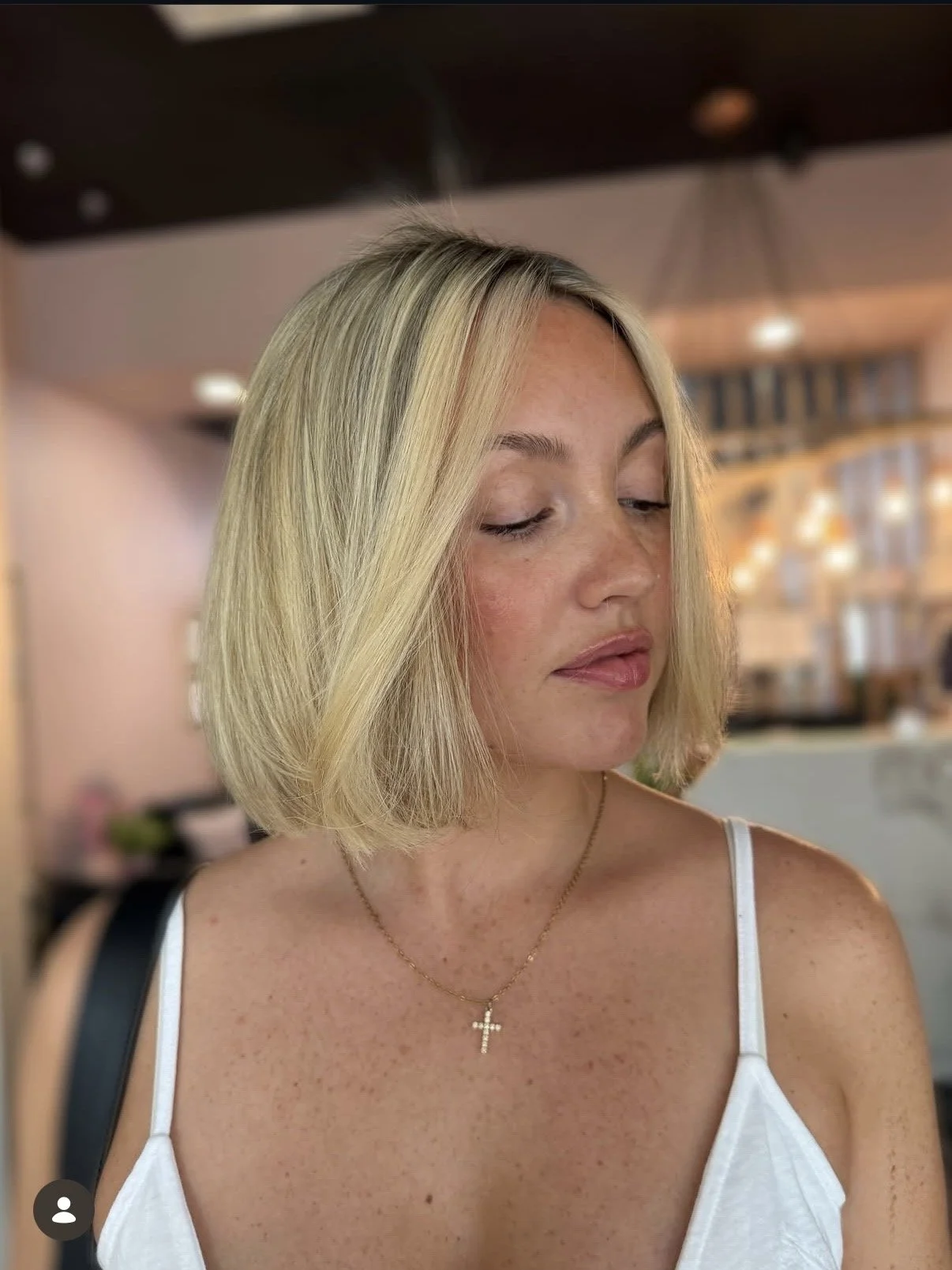
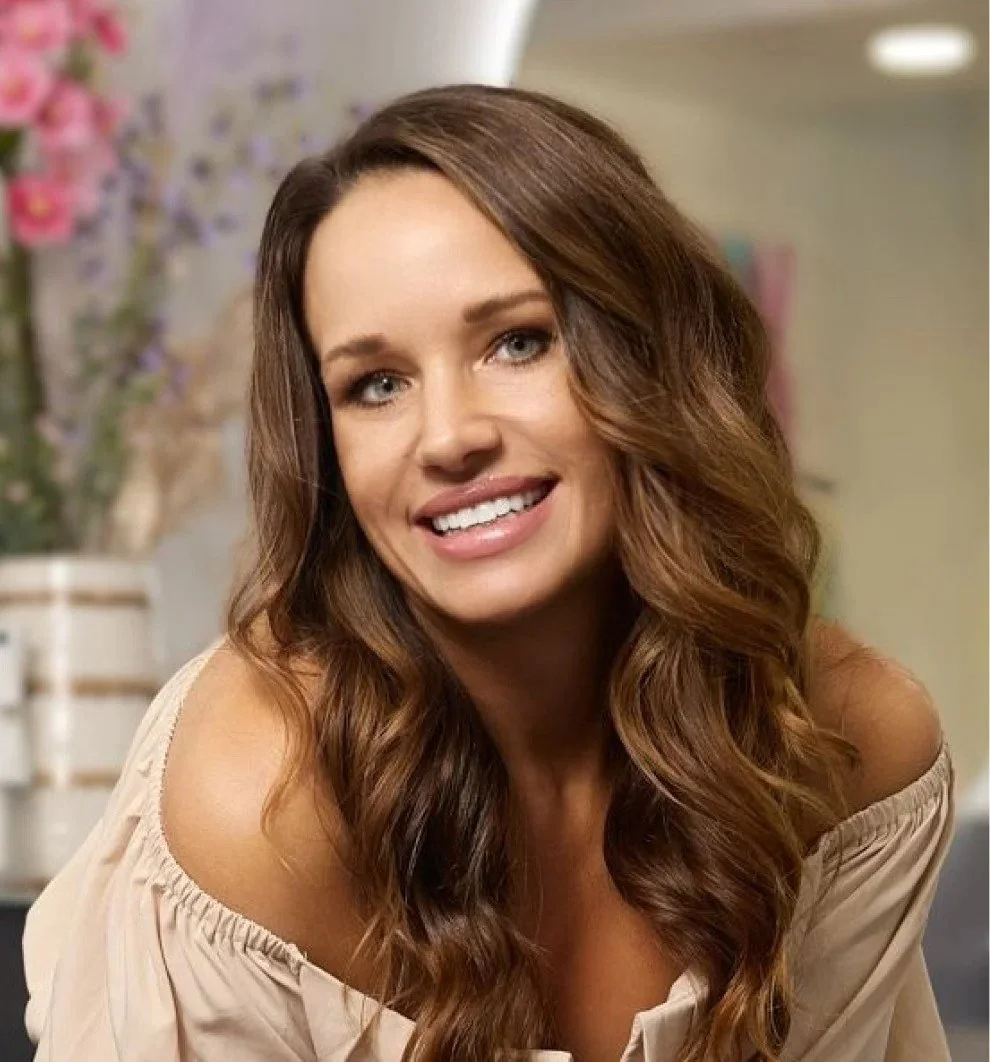
Hair color correction is the professional process of fixing uneven, damaged, or chemically compromised hair color that cannot be resolved with a single standard coloring appointment. Whether you ended up with brassy orange after a box dye attempt, patchy highlights that turned green in the pool, or a toner that pulled too violet, correction work is a multi-step, often multi-session process that demands a skilled colorist and a clear plan before any product touches your hair
Key Takeaways
Hair color correction is rarely a one-appointment fix and can take multiple sessions spaced weeks apart.
Box dye and home balayage kits are the most common causes of correction cases colorists see.
Costs typically range from $150 to $600 or more per session depending on severity and salon location.
Your hair's condition before correction determines what's possible, severely damaged hair may need months of treatment first.
Always consult a professional colorist before attempting any at-home fix on already-compromised color.
Realistic expectations and open communication with your stylist are the two most important factors in a successful outcome.
Why Color Goes Wrong in the First Place
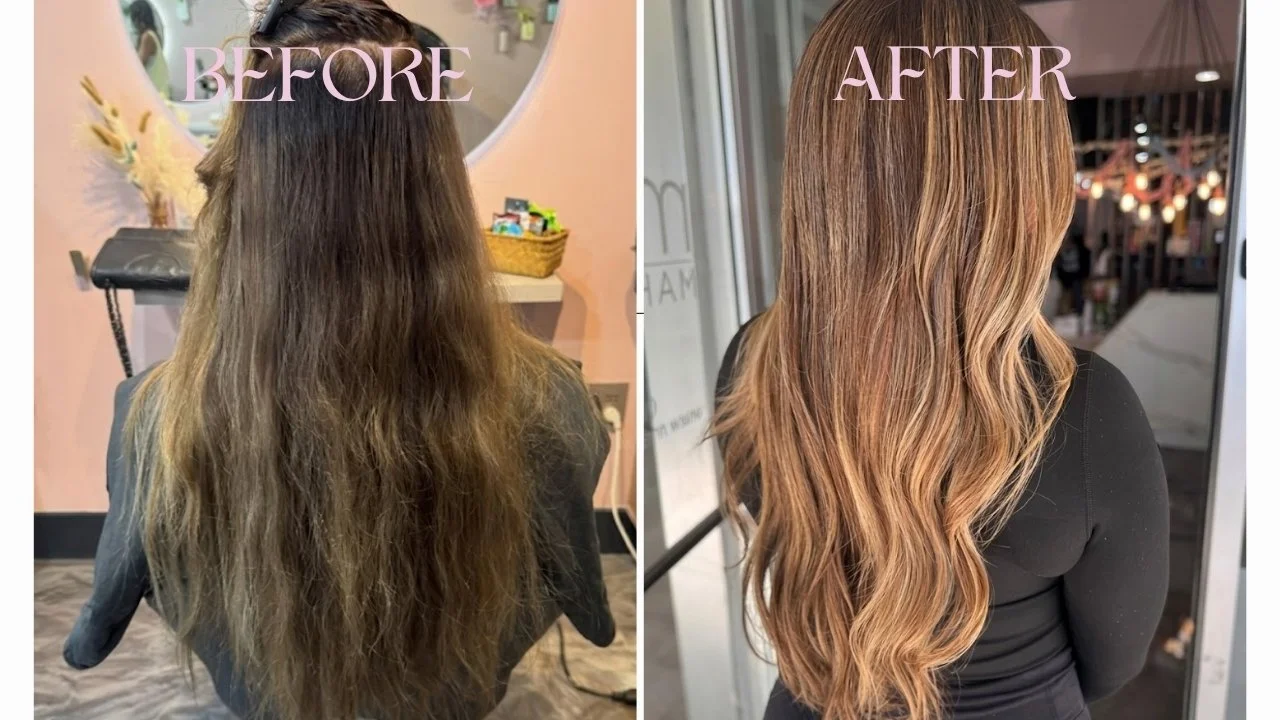
Understanding what causes color problems makes it much easier to communicate with your colorist and set realistic expectations. Most correction cases fall into a handful of categories.
Box dye buildup is one of the most common culprits. Over-the-counter hair dye deposits artificial pigment molecules that sit differently on the hair shaft than professional color. After several applications, this creates a dense, layered coating that resists lifting and often pulls warm or muddy when a stylist tries to lighten it.
Uneven developer strength is another frequent issue. Using a 40-volume developer at home to speed up the process can cause hot spots, where sections of hair lift faster than others, resulting in banding. Banding refers to visible horizontal lines of different shades running across your hair, often most obvious when hair is wet.
Color-on-color mistakes happen when someone applies a darker shade over a lighter one without understanding underlying pigment. When you eventually want to go lighter again, those warm underlying tones (red, orange, yellow) must be dealt with before any cool or neutral tone can land correctly.
Green tones in blonde hair are almost always a reaction between copper or mineral deposits in pool water and a bleaching process. The minerals oxidize and bond to porous hair, creating an unwanted cast that toner alone cannot fully cancel.
How the Correction Process Actually Works
A professional hair color correction is not a simple formula. It is a diagnosis-first, action-second workflow that every experienced colorist follows before mixing a single bowl.
The Consultation
Before anything else, your stylist will examine your hair's current state: porosity, elasticity, underlying pigment, and the history of chemical services. Pulling a few strands and doing a strand test is standard practice. Highly porous or elasticity-compromised hair that stretches and breaks when wet is often not a candidate for immediate chemical work. If your hair snaps rather than stretches slightly, your colorist may recommend a bond-building treatment program for four to eight weeks before any color correction begins.
During consultation, be honest about everything: every box dye, every rinse, every highlight, every treatment. Hiding a previous chemical service can result in your colorist proceeding with a formula that causes unpredictable results or breakage.
Strand Testing and Color Mapping
Once the stylist has a full picture of your color history, they will do a strand test. This small, low-risk test on a hidden section of hair tells the colorist how your hair will respond to the planned formula before committing to the full head. The result of that strand test shapes the entire correction plan.
Color mapping is the planning stage where the colorist identifies which sections need lightening, which need toning, and which need color filling. Filling is a less-discussed but critical step: when you have lightened hair that has lost its warm underlying pigment, you cannot apply a dark color directly and expect it to look natural or last. The colorist must first deposit warm tones back into the hair to give the new dark shade something to grip.
The Actual Correction Sessions
Depending on severity, a correction may require one to four or more sessions. Each session is spaced three to six weeks apart to allow the hair to recover and for the colorist to assess the cumulative result. Rushing the process is the single most common reason corrections fail or result in breakage.
According to the American Academy of Dermatology, repeated chemical processing without recovery time significantly increases the risk of irreversible hair damage, particularly in hair that has already been bleached or chemically relaxed.
Color Correction Feasibility & Readiness Quiz
Assess your hair's current integrity, chemical history, and realistic correction timeline.
What It Costs and What Affects the Price
Hair color correction pricing varies widely based on three main factors: the complexity of the case, the time required, and the location of the salon.
| Correction Type | Estimated Cost Per Session | Sessions Typically Needed |
|---|---|---|
| Tonal correction (brassy, ashy fix) | $150 - $250 | 1-2 |
| Banding removal (lightening + toning) | $250 - $400 | 2-3 |
| Box dye removal | $300 - $500 | 2-4 |
| Major lightening correction (dark to blonde) | $400 - $600+ | 3-5 |
| Green or mineral tone removal | $200 - $350 | 1-3 |
These are national averages for the United States. Salons in major metropolitan areas like New York City, Los Angeles, or Miami tend to sit at the higher end of each range. If you are in South Florida and considering professional correction work, visiting a reputable local stylist at the best hair salon in Fort Lauderdale gives you access to colorists experienced with the specific hair types and climate-related challenges common in that region.
Most appointments are priced by the hour rather than as flat service rates. Expect to pay anywhere from $100 to $200 per hour at a skilled specialist salon, with complex cases running four to six hours per session.
At-Home Fixes: What You Can and Cannot Do
Some people want to take steps at home between salon sessions. There are a few things that genuinely help, and several things that can make the situation significantly worse.
What helps:
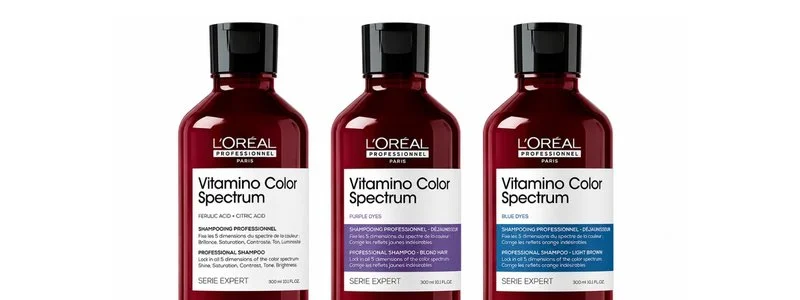
Toning shampoos and conditioners (purple for yellow tones, blue for orange tones) can neutralize brassiness between sessions
Bond-building treatments like Olaplex No. 3 or K18 masks strengthen the disulfide bonds in chemically stressed hair
Deep conditioning masks applied weekly help restore moisture and improve elasticity
Avoiding heat styling above 350°F reduces further damage to already porous hair
What makes it worse:
Applying another box dye over the problem, even a "color remover"
Using bleach at home on previously processed hair without professional supervision
Attempting a toner with a developer at home without understanding your hair's current porosity level
Skipping heat protection and continuing to blow-dry or flat-iron damaged strands daily
The National Institutes of Health has published research noting that repeated oxidative chemical treatment alters the protein structure of the hair cortex, with cumulative damage being significantly harder to reverse than damage from a single application.
Things to Know
Color correction is not the same as a color service. Standard coloring appointments at most salons are not equipped for correction work. Always book specifically as a correction consultation.
Your stylist may tell you "no" for now. If your hair is too damaged to lift safely, a responsible colorist will pause the process. This is a sign of expertise, not a refusal to help.
Tone shifts happen. Your hair may look great at session two, but pull differently after session three. This is normal. The goal is the final result across all sessions, not perfection at each step.
Maintenance after correction is real work. Plan for toning appointments every six to eight weeks, regular trims, and a strong at-home conditioning routine.
Not every correction leads to your dream color. Some hair, particularly fine or heavily bleached hair, may only be able to reach a mid-level blonde rather than a platinum, even with perfect technique.
Photos help, but they are not promises. Bringing reference images is useful for communication, but your hair's starting point and texture will always shape what is actually achievable.
How to Choose the Right Colorist for Correction Work
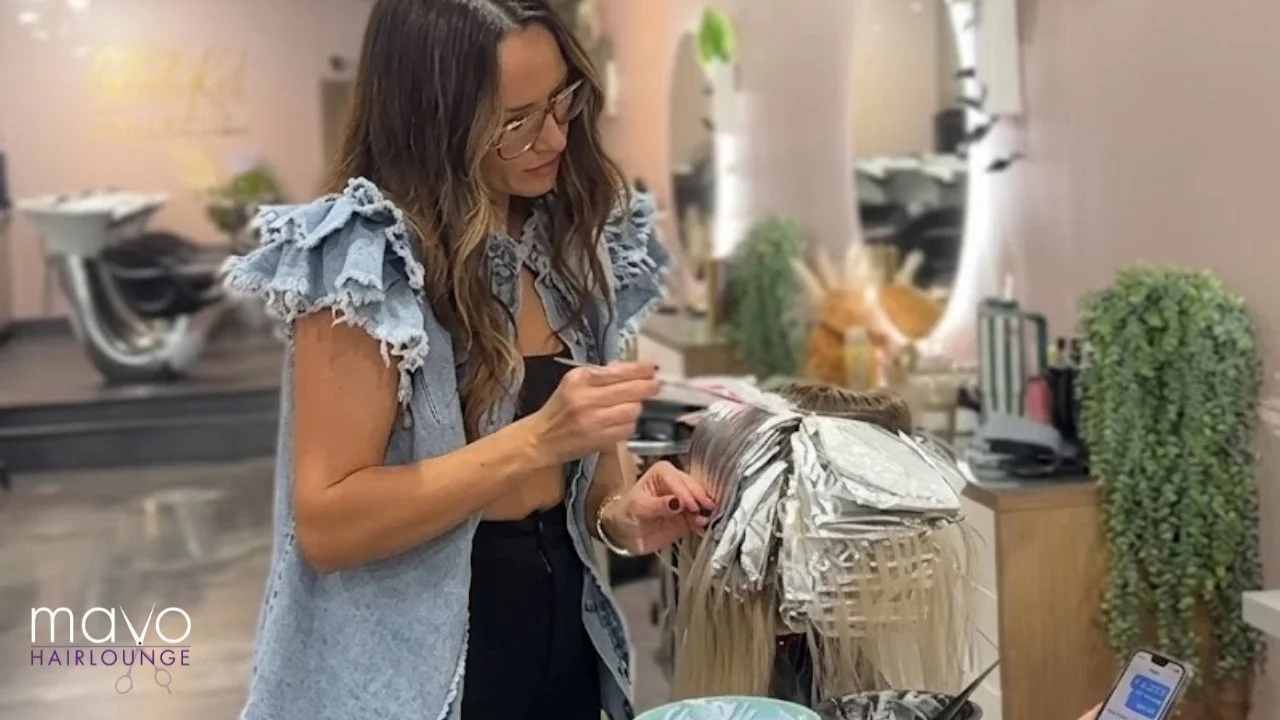
Not every stylist takes on color correction cases, and that is actually a good sign for the profession. Correction work requires advanced training, strong color theory knowledge, and honest client communication. Here is what to look for when choosing a colorist for this type of work.
Check their portfolio specifically for before-and-after correction photos. Highlight transformations or single-process color application photos are not the same skillset. Look for cases that started from a state similar to yours.
Read reviews that mention correction specifically. Words like "realistic," "honest," "took multiple sessions," and "hair is healthy" are positive signals. Reviews that focus only on how fast the appointment was are less reassuring for correction work.
Ask during your consultation whether they charge for the consultation itself. Many skilled colorists charge $25 to $50 for an in-depth correction consultation, and this is a reasonable professional practice, not a red flag.
Staying informed about current professional color techniques is also useful for clients. Reviewing resources on hair color trends 2026 can help you understand what techniques are popular and what kinds of results are realistically achievable with modern professional tools.
Finally, look for a salon that uses professional-grade bond-building additives as part of their correction services. Brands like Olaplex, Fibreplex, and K18 are now standard in quality salons and make a measurable difference in hair integrity during and after the lightening process.
Ready to Book Your Correction Consultation?
The most important step you can take right now is to stop applying any additional color or chemical products at home and schedule an in-person consultation with a professional colorist who specializes in correction work. Bring photos of your current hair, photos of the result you want, and a written timeline of every chemical service your hair has had in the last two to three years.

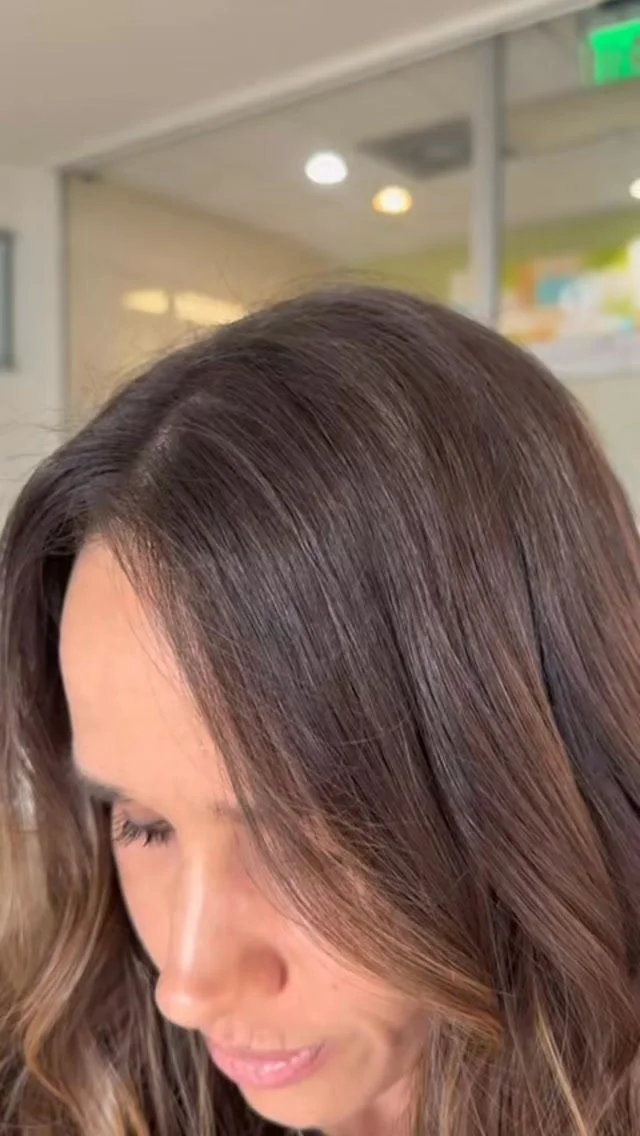

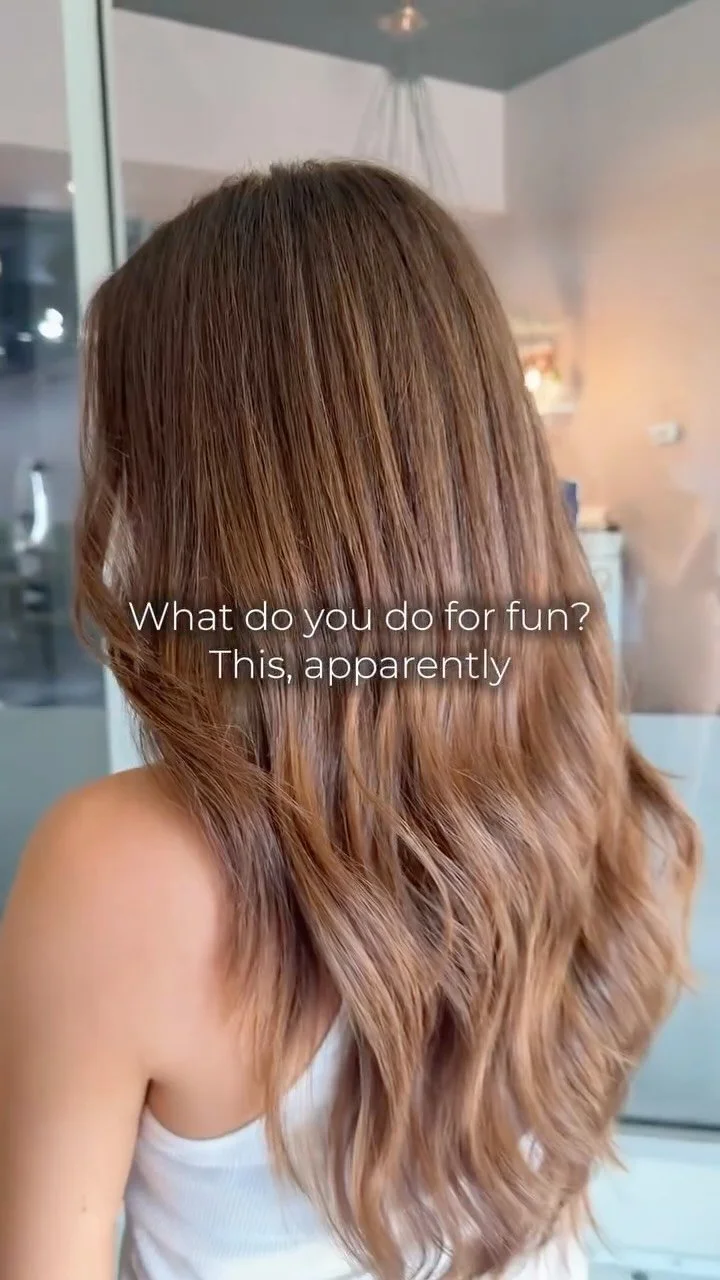
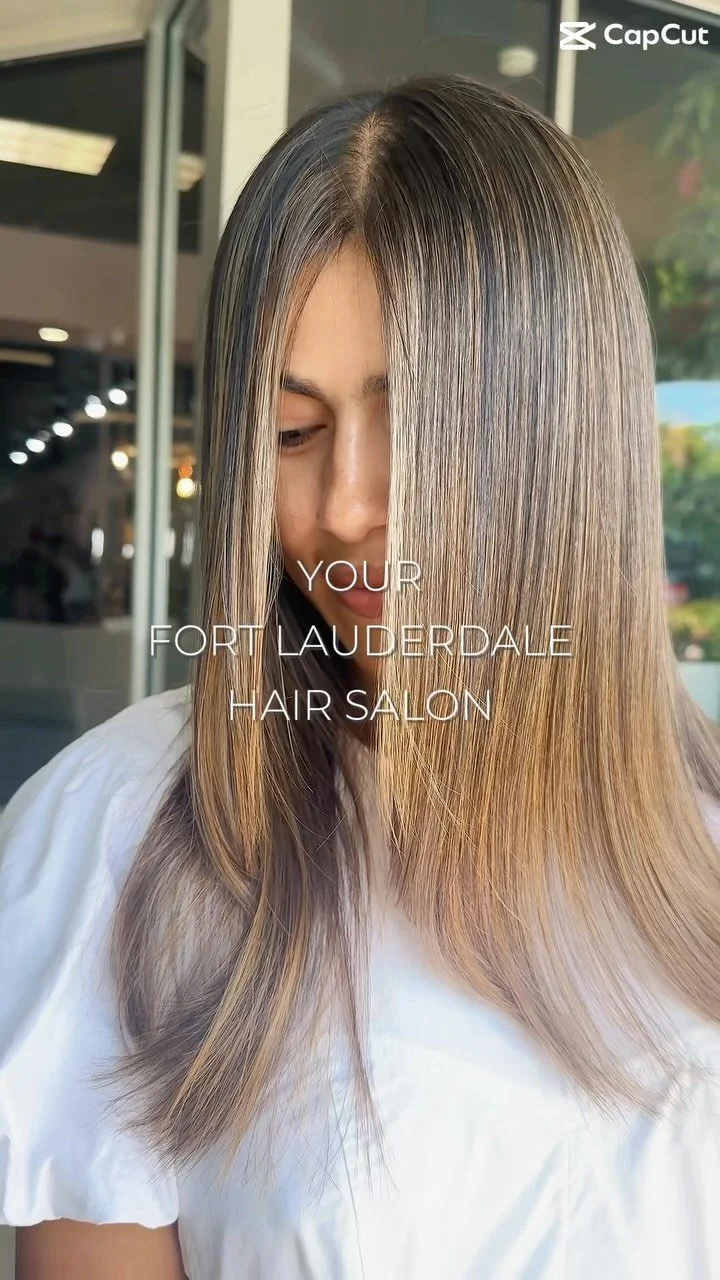
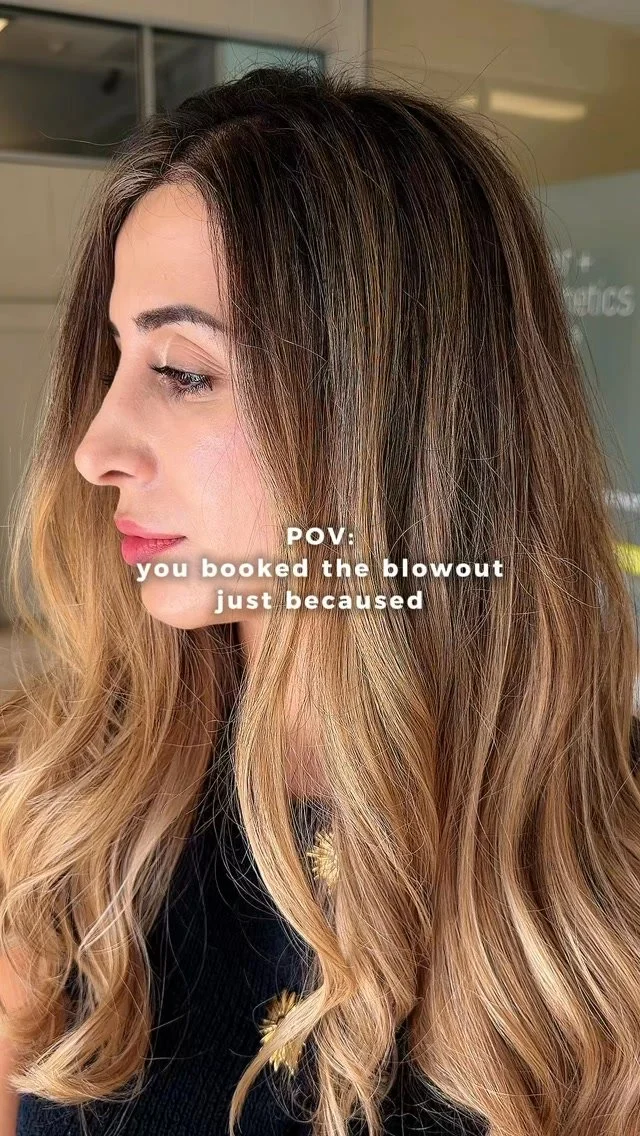
The more information your stylist has from the start, the safer and more effective the correction process will be. You can begin by reviewing dedicated hair color services to explore your options and book a consultation with an experienced styling team.
The Bottom Line on Hair Color Correction
Hair color correction is one of the most technically demanding services in the professional beauty industry, and it requires patience, honesty, and a qualified colorist who communicates clearly at every stage. The process is rarely fast, never cheap, and always dependent on the current health of your hair. But with the right plan and the right professional, even severe color damage can be corrected over time.
Your next step is clear: stop adding product to your hair, schedule a consultation with a correction specialist, and arrive with realistic expectations and a full color history. The outcome on the other side is worth the process.
Frequently Asked Questions
-
The full process typically takes anywhere from one to six months depending on how damaged your hair is and how dramatic the change needs to be.
Most cases require two to four sessions spaced three to six weeks apart. During that time, your colorist will reassess after each session before planning the next step. Rushing this timeline increases the risk of breakage and uneven results
-
Purple or blue toning shampoos can reduce brassiness temporarily, but they cannot perform a true color correction on their own.
If your hair has significant banding, multiple shades, or chemical damage, at-home toning products will provide marginal improvement at best. A professional colorist is needed to address the underlying structural color issues.
-
Correction work does involve chemical processing, and there is always some degree of stress placed on the hair shaft, but a skilled colorist minimizes this risk through careful formulation and bond-building treatments.
The Mayo Clinic notes that repeated chemical treatments can cause hair dryness and breakage, which is why spacing sessions appropriately is essential. Healthy hair going into a correction process has significantly better outcomes than hair that is already highly porous or elasticity-compromised.
-
A realistic budget for a complete correction from dark or heavily box-dyed hair to a lighter goal color is $600 to $1,500 total across all sessions in the United States.
This varies by region, stylist experience level, and how many sessions are required. Always ask for a written or verbal estimate after your consultation, not before, since the colorist needs to see your hair in person to give you an accurate projection.
-
Focus on strengthening and moisturizing your hair with bond-building treatments and deep conditioning masks, and avoid any additional chemical services.
Use a sulfate-free shampoo to preserve your current color, apply a heat protectant every time you style, and limit heat tool use as much as possible. If brassiness returns between sessions, a toning shampoo can help manage it without disrupting the correction plan.
Read more…