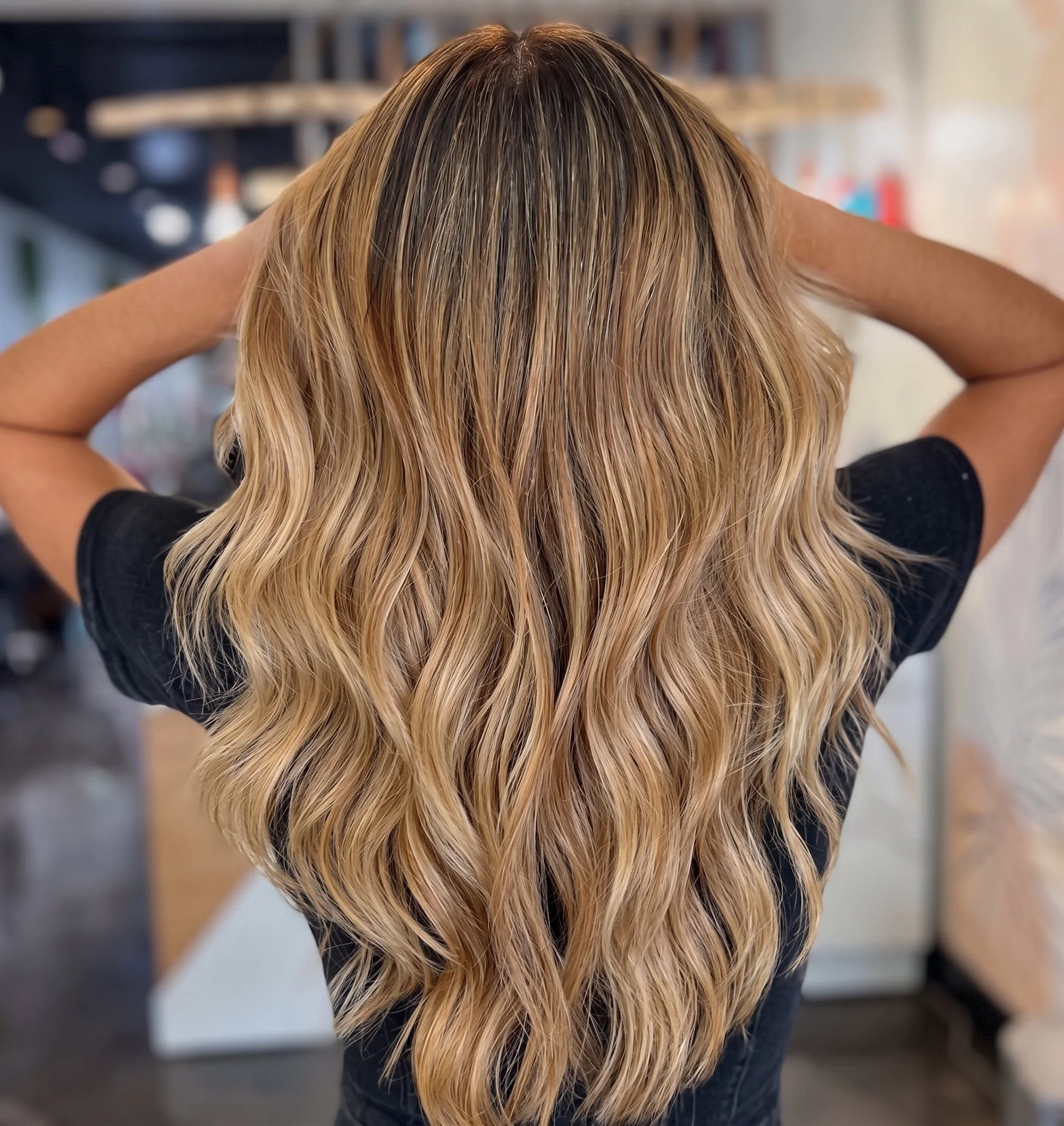
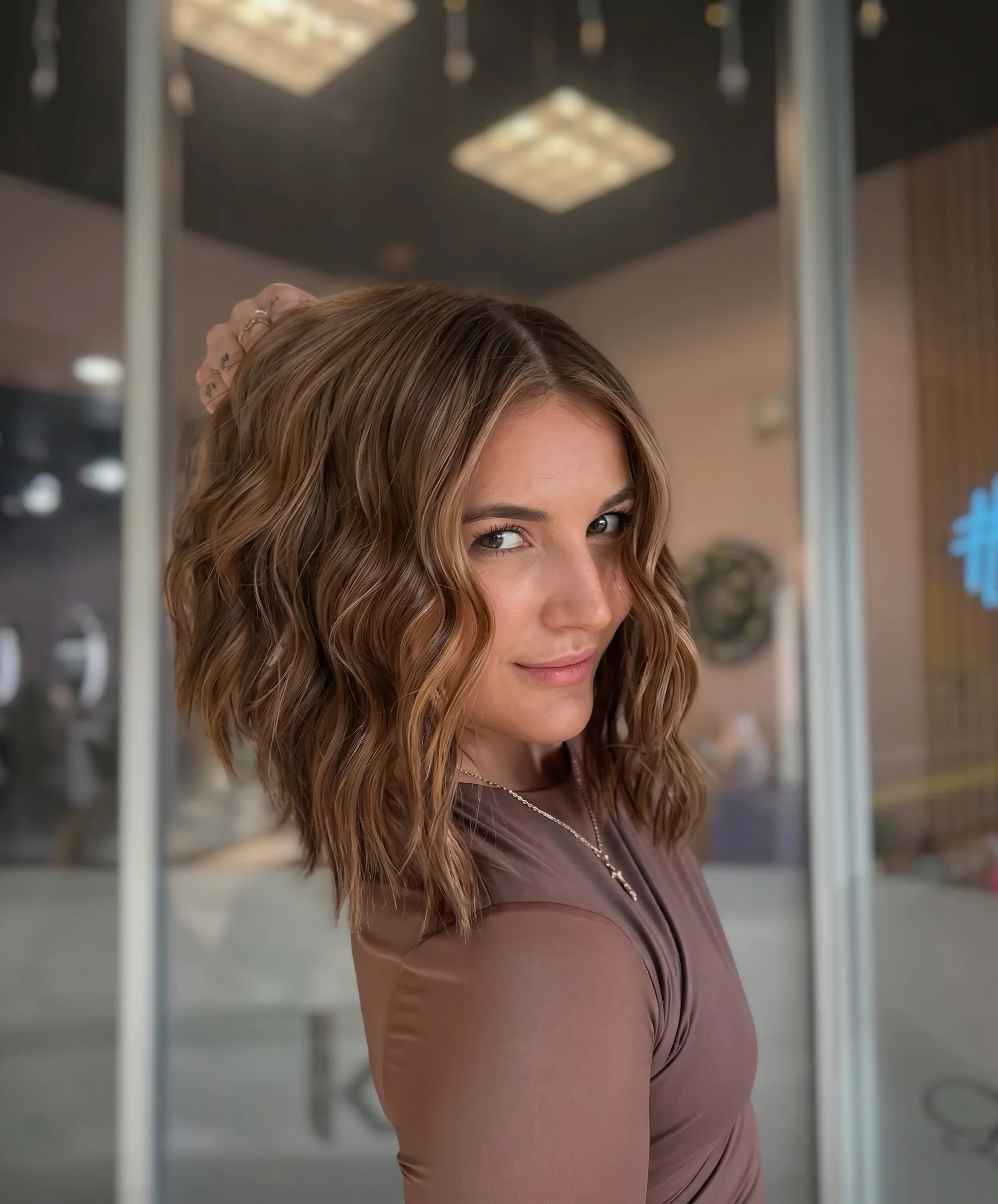
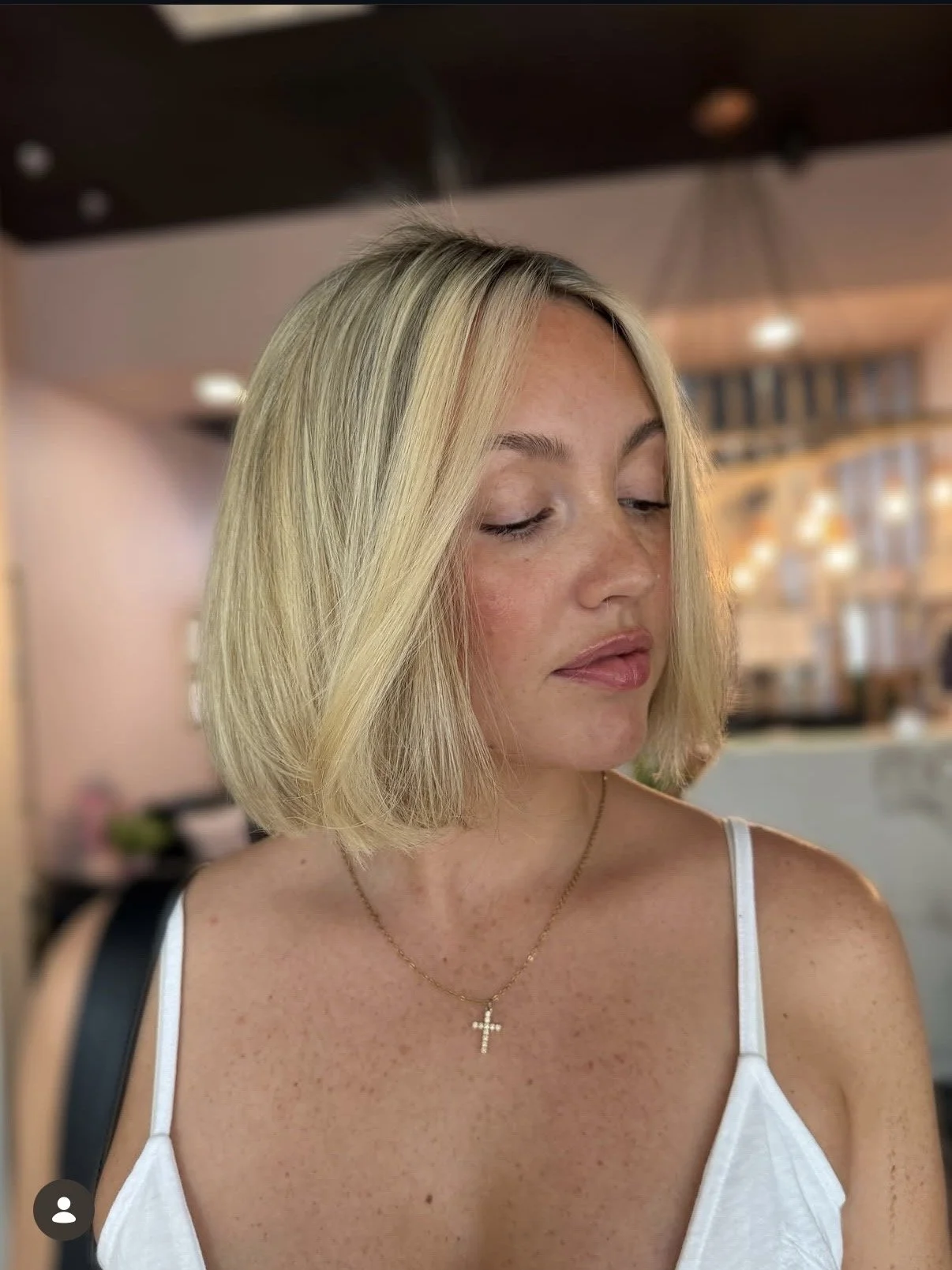
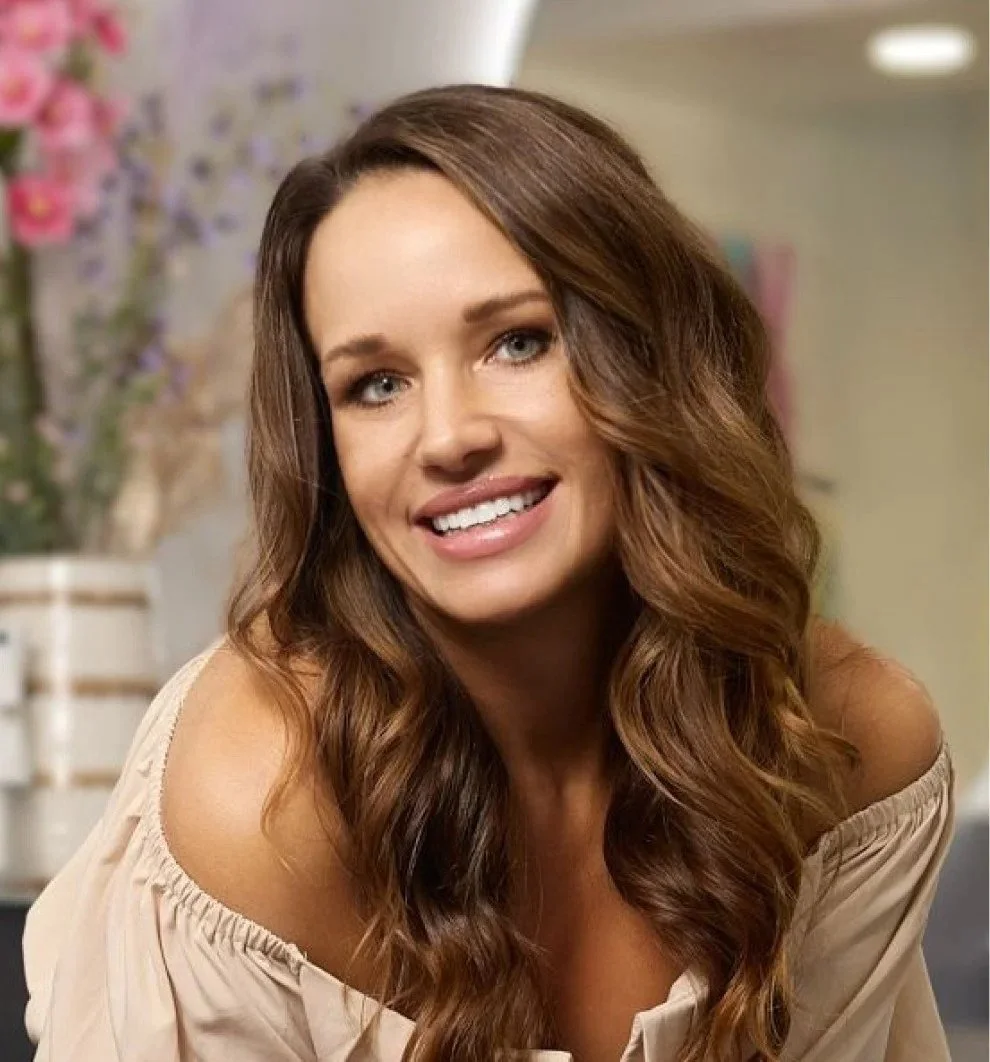
The best haircuts for curly hair are sculpted around your individual curl pattern, density, and shrinkage rate rather than a rigid, one-size-fits-all template. Unlike straight hair, which falls uniformly under gravity, curly hair operates in three dimensions. Every bend, coil, and spiral creates natural lift and spring that changes drastically as hair dries. Finding the right silhouette requires working with that movement, eliminating internal bulk, encouraging curl clumping, and framing facial features without leaving a heavy, boxy perimeter.
Embracing natural texture rather than fighting it is arguably the most defining haircut trend this 2026, marking a decisive shift away from excessive heat damage and chemical straightening toward healthy, organic shapes. Whether you have soft type 2 waves, buoyant type 3 curls, or tight type 4 coils, selecting a cut tailored to your specific texture transforms daily maintenance from a chore into a simple wash-and-go routine.
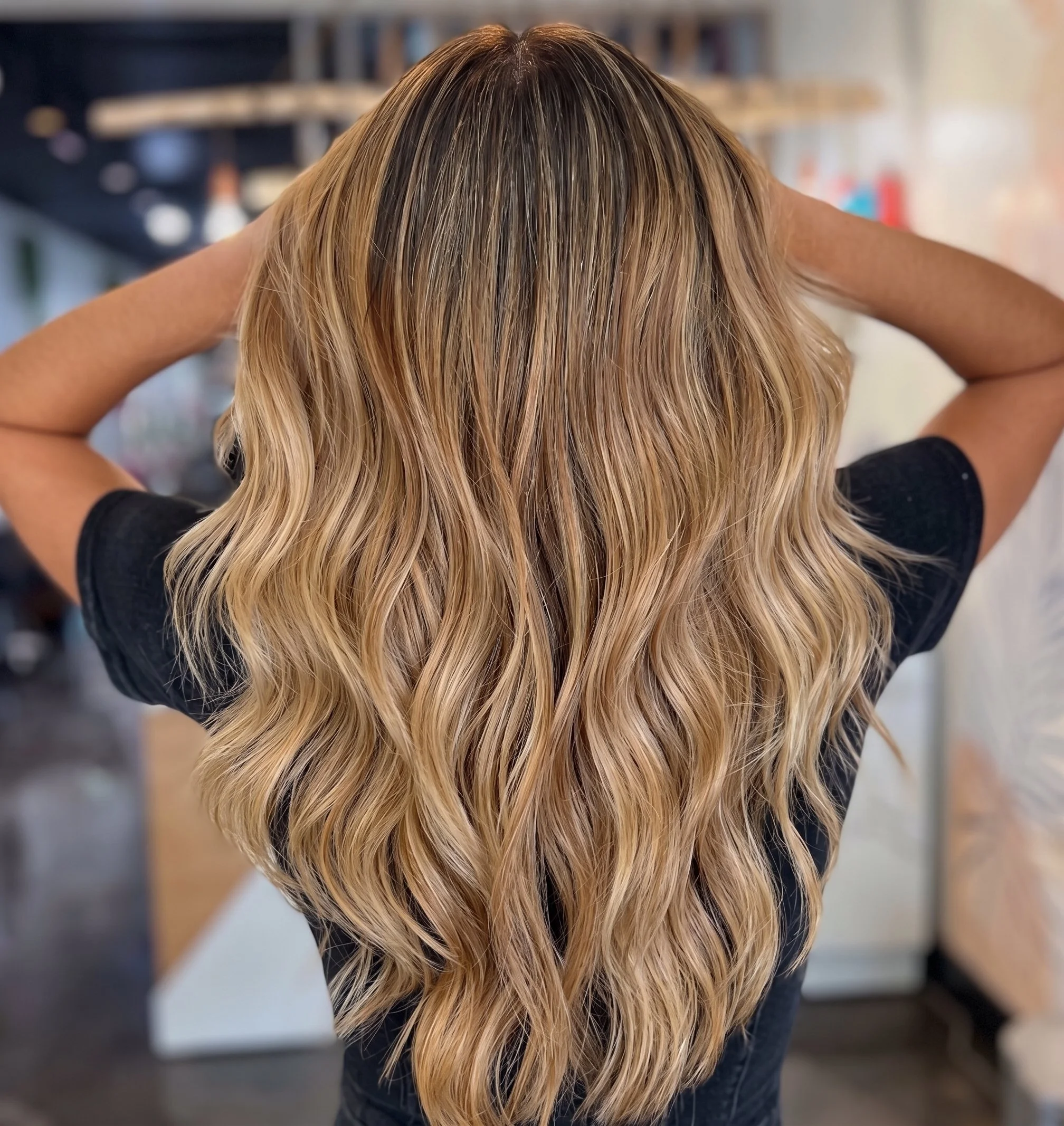
The Physics of Curly Hair: Shrinkage and Weight Distribution
The defining challenge of cutting curls is the "spring factor", the difference in length between wet, stretched hair and completely dry curls. Wavy hair (Type 2) may shrink only 5% to 10%, while tight curls and coils (Types 3 and 4) can shrink anywhere from 30% to over 60%. Traditional wet cutting methods, where the hair is pulled taut with uniform tension, fail to account for how individual curl groups contract once dried. This discrepancy is the primary cause of uneven lengths, lopsided shapes, and the dreaded "triangle effect" (where flat roots expand into a wide, bottom-heavy pyramid).
To create a balanced silhouette, a curly haircut must address weight distribution. Thick curly hair requires targeted interior debulking—removing density from dense pockets around the crown and occipital bone—while leaving the perimeter intact to preserve curl definition.
15 Best Haircuts for Curly Hair (Categorized by Length)
Short Curly Haircuts
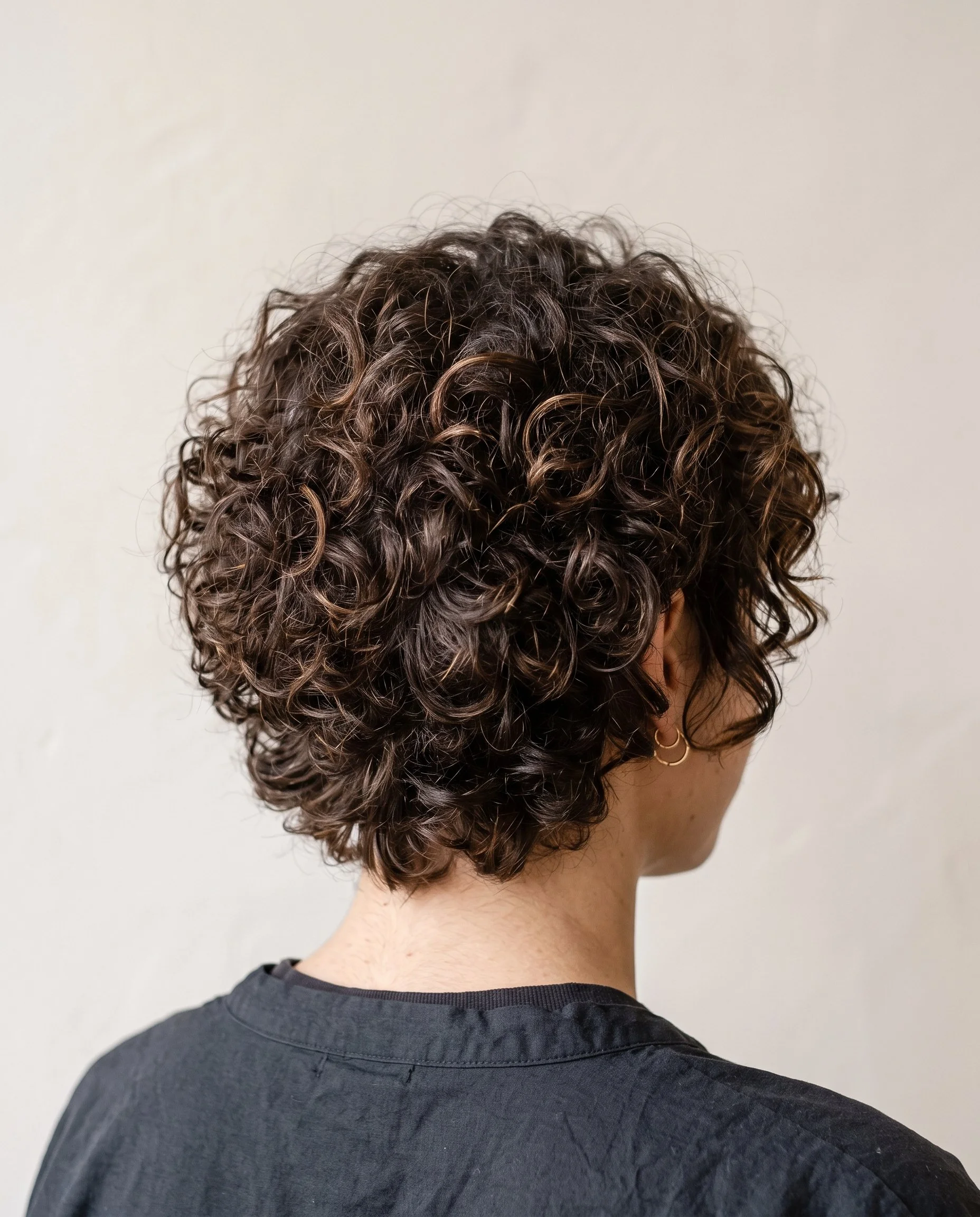
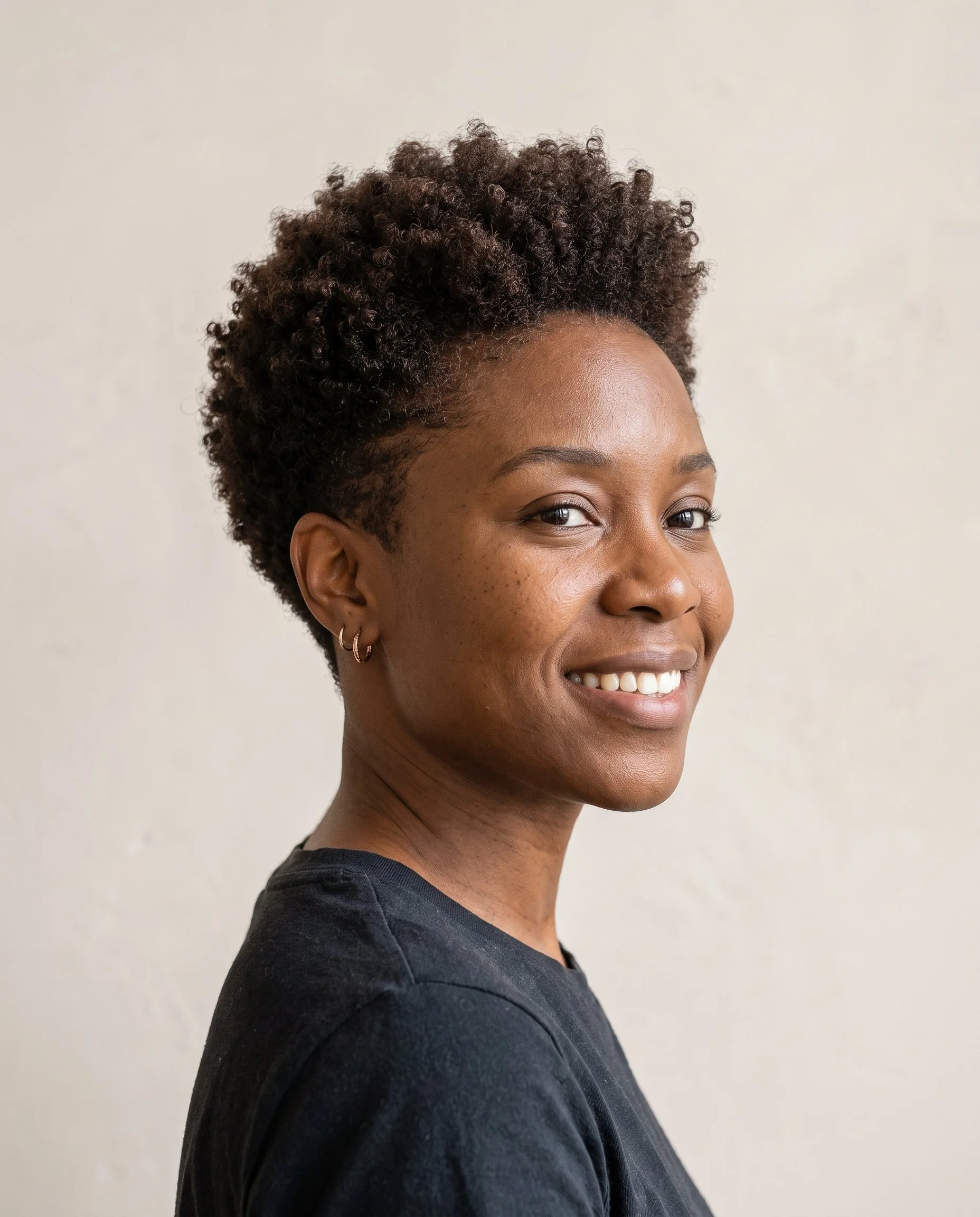
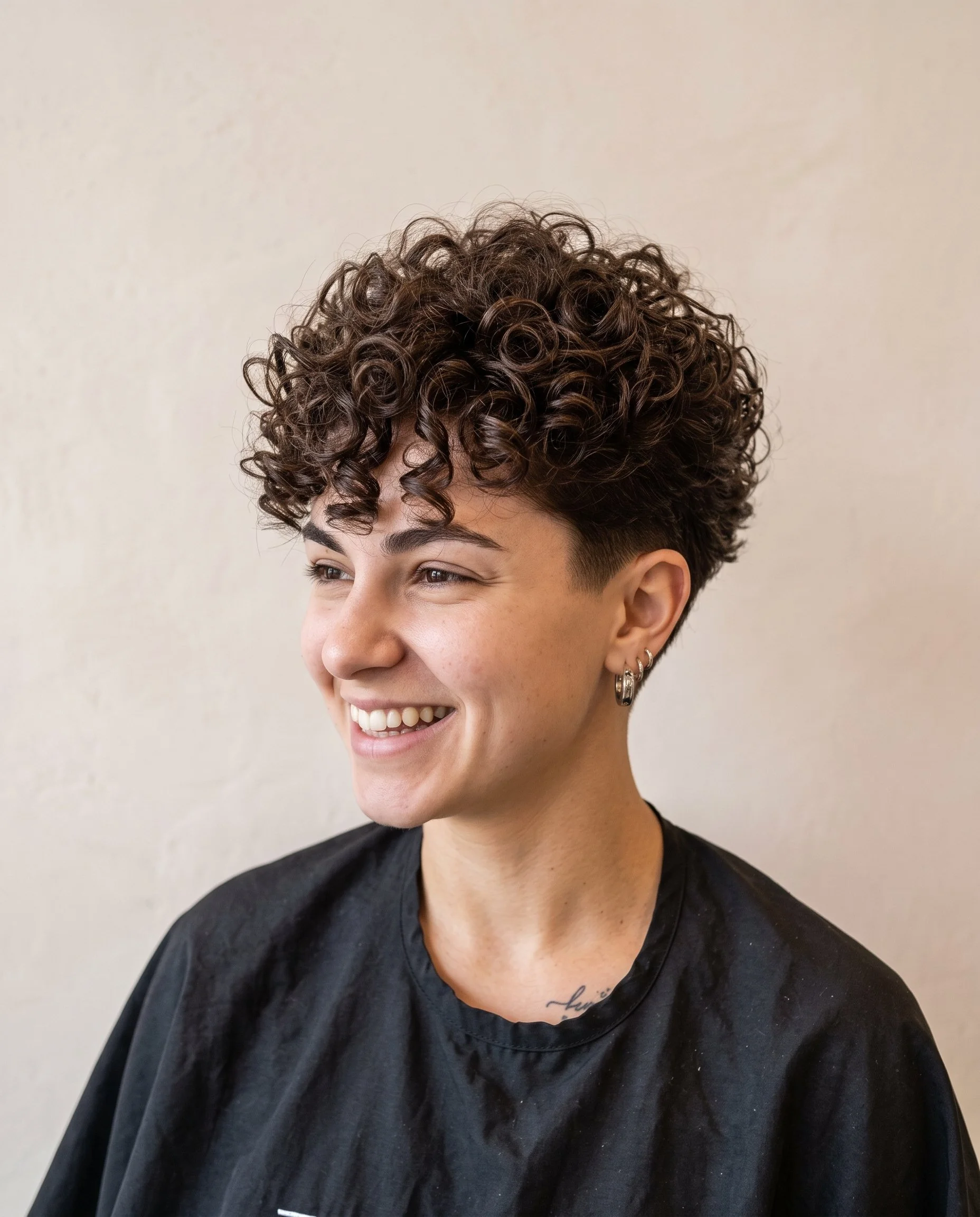
1. The Tapered Curly Pixie
Best Curl Type: 3A to 4C
Flattering Face Shapes: Oval, Heart, Diamond
Maintenance Level: Medium (Trims every 4–6 weeks)
This cut features closely cropped or tapered sides and nape, leaving substantial length and volume concentrated on top. It allows tighter curls and coils to spring upward without competing for space, highlighting cheekbones and jawlines.
Styling Insight: Work a small amount of curl-defining butter or foam through the crown while damp, finger-coil a few front accents, and let it air-dry.
2. The Rounded Curly Bob
Best Curl Type: 2C to 3C
Flattering Face Shapes: Oval, Square, Oblong
Maintenance Level: Low (Trims every 8–10 weeks)
Cut in a deliberate spherical shape, this chin-to-lip length bob distributes volume evenly around the perimeter of the head. It prevents the flat-root, wide-bottom dilemma by incorporating soft, curved layering throughout the crown.
Styling Insight: Diffuse upside-down on low heat to encourage maximum root elevation and perimeter roundness.
3. The Curly Bixie
Best Curl Type: 2B to 3B
Flattering Face Shapes: Round, Oval, Heart
Maintenance Level: Low-Medium (Trims every 6–8 weeks)
Sitting right between a pixie and a bob, the bixie retains wispy, shaggy length around the ears and nape while building airy volume through the interior. It is ideal for finer curl patterns that easily look weighed down in longer styles.
Styling Insight: Apply a pea-sized amount of lightweight styling cream and lightly ruffle the curls with your fingertips to maintain an undone, textured finish.
4. The Sculpted Tapered Teeny Weeny Afro (TWA)
Best Curl Type: 4A to 4C
Flattering Face Shapes: All face shapes
Maintenance Level: Medium-High (Trims every 4 weeks)
A bold, intentional cut for short coily hair that sculpts a clean perimeter line while celebrating tight coil architecture. Subtle graduation along the sides creates a clean, elongated neck profile.
Styling Insight: Hydration is paramount. Layer a leave-in conditioner with an organic oil to seal in moisture, using a curl sponge to define coils.
5. The French Curly Bob
Best Curl Type: 2B to 3B
Flattering Face Shapes: Long, Oval, Heart
Maintenance Level: Low (Trims every 8–10 weeks)
Grazing the jawline or lips and paired with eyebrow-skimming curly fringe, the French bob delivers effortless European chic. It relies on the hair's natural bends to create an organic, slightly messy frame around the eyes and cheekbones.
Styling Insight: Air-dry completely with a curl-enhancing mousse, gently shaking out the roots once 100% dry to loosen the cast.
Medium-Length Curly Haircuts
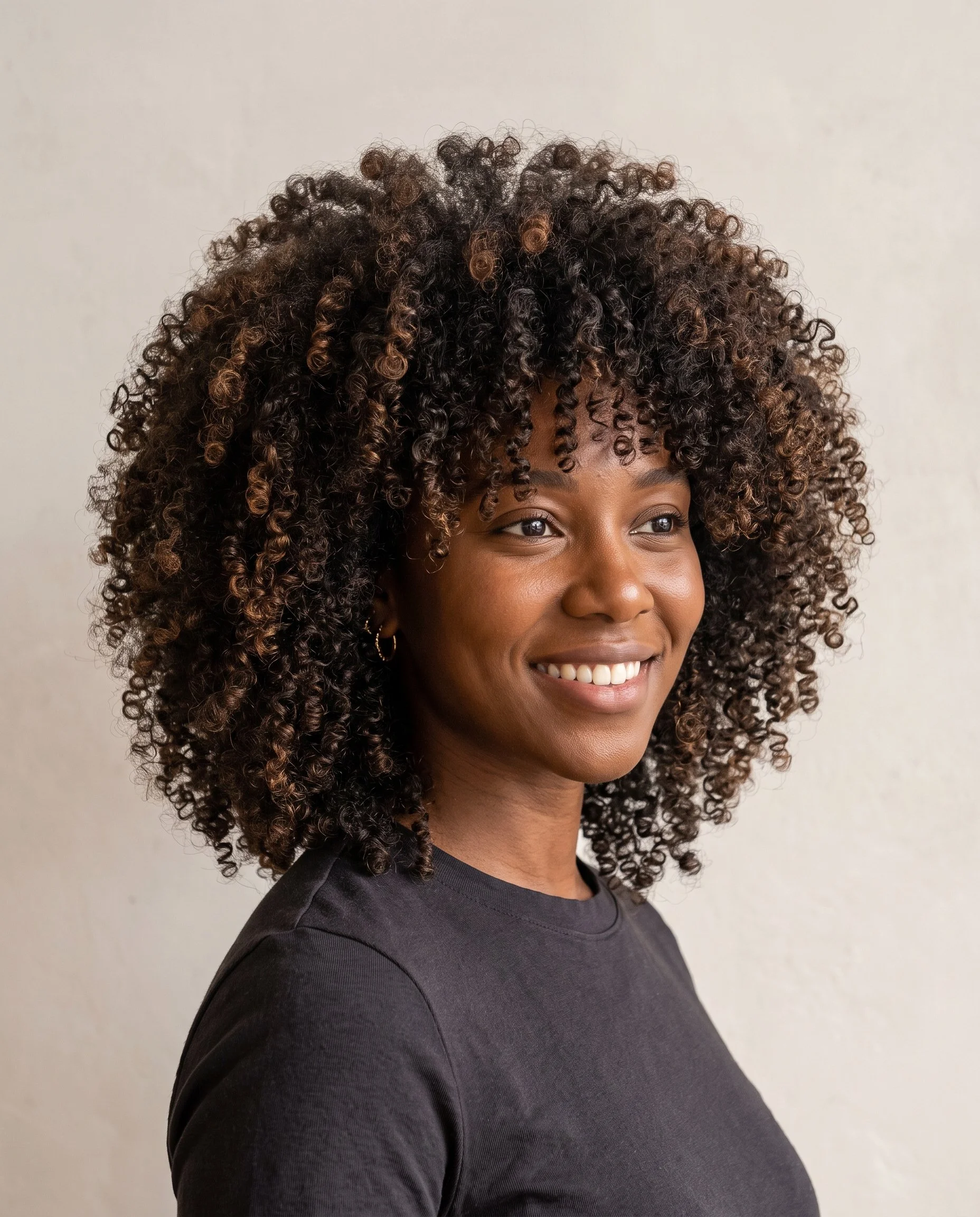
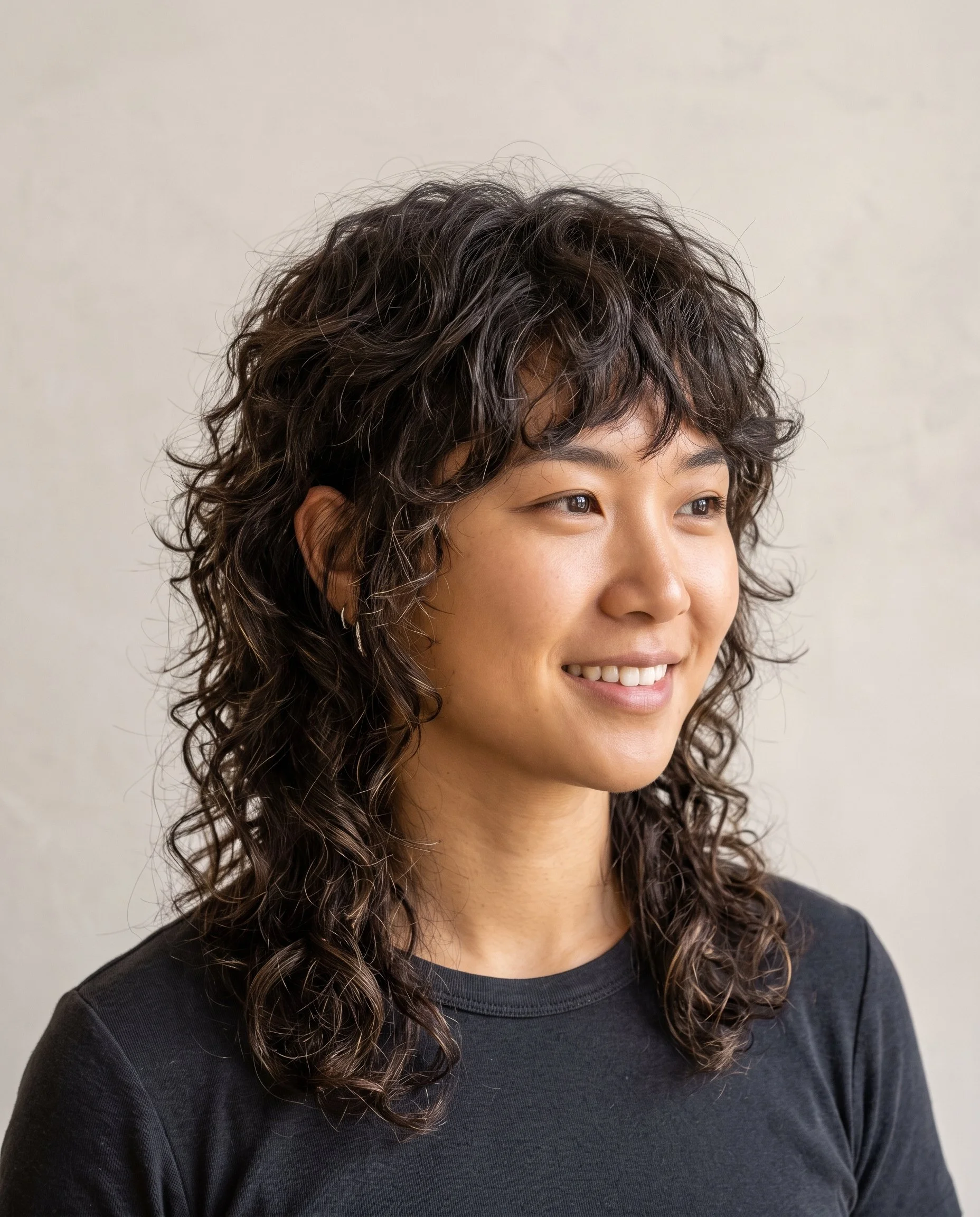
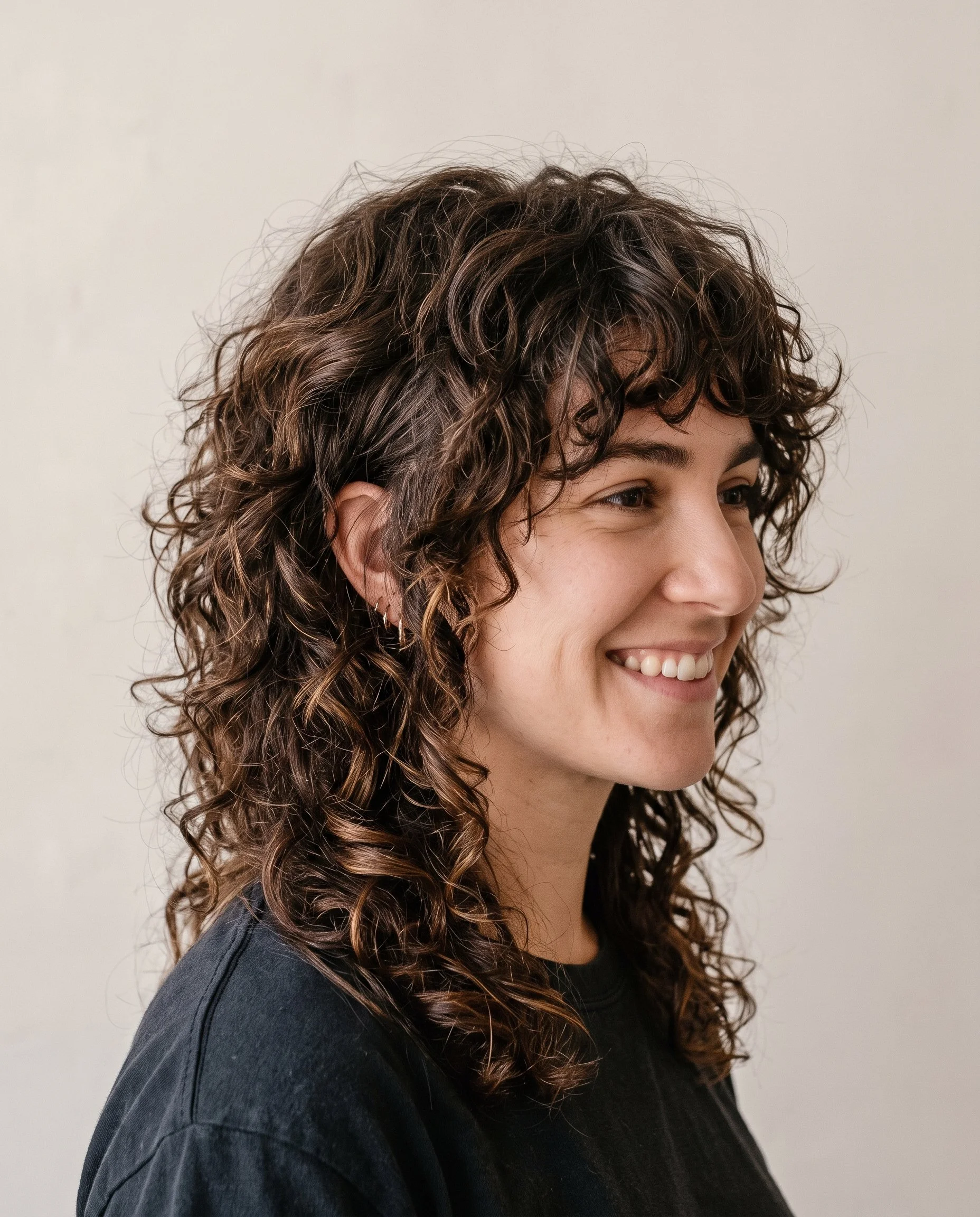
6. The Modern Curly Shag
Best Curl Type: 2A to 3C
Flattering Face Shapes: Square, Round, Heart
Maintenance Level: Low (Trims every 10–12 weeks)
The quintessential wash-and-go cut for textured hair. It combines heavy interior layering, seamless crown volume, and feathered curtain bangs to eliminate horizontal bulk while maximizing vertical bounce.
Styling Insight: Scrunch a generous amount of sea-salt spray or texturizing foam into damp curls to encourage separation, letting it air-dry naturally.
7. The Layered Curly Lob
Best Curl Type: 2B to 3C
Flattering Face Shapes: Round, Heart, Oval
Maintenance Level: Low (Trims every 8–10 weeks)
Hitting comfortably at the clavicle, this longer bob incorporates subtle surface layers to keep the perimeter from looking blocky. It is the perfect bridge style for those seeking manageability without committing to short hair.
Styling Insight: Perfect for half-up top knots or low pony wraps, making it one of the most versatile professional haircuts.
8. The Rezo-Inspired Round Cut
Best Curl Type: 3A to 4B
Flattering Face Shapes: Long, Oval, Diamond
Maintenance Level: Medium (Trims every 8–10 weeks)
Designed to maintain uniform length across the perimeter while liberating curls at the roots, this cut creates a balanced halo of curls that moves in a 360-degree circle around the head.
Styling Insight: Rake a moisture gel through soaking-wet hair in circular sections to help curl clusters group together without stiffness.
9. The Waterfall Curly Cut
Best Curl Type: 3A to 4A
Flattering Face Shapes: Oval, Oblong, Square
Maintenance Level: Low-Medium (Trims every 8 weeks)
Layers are cut progressively from short face-framing pieces around the eyes down to the shoulders, cascading like a waterfall. This prevents curls from piling on top of each other, allowing each spiral its own space to bounce.
Styling Insight: Lightly clip the roots on top with duckbill clips while air-drying to enhance crown lift without using heat.
10. The Curly Wolf Cut
Best Curl Type: 2B to 3C
Flattering Face Shapes: Oval, Round
Maintenance Level: Medium (Trims every 6–8 weeks)
A rebellious blend of the mullet and the shag, the wolf cut features dramatic volume through the crown and temples, tapering down to wispy, elongated ends at the shoulders.
Styling Insight: Focus curl cream through the mid-lengths and ends, then use a light paste to define the face-framing crown pieces.
Long Curly Haircuts
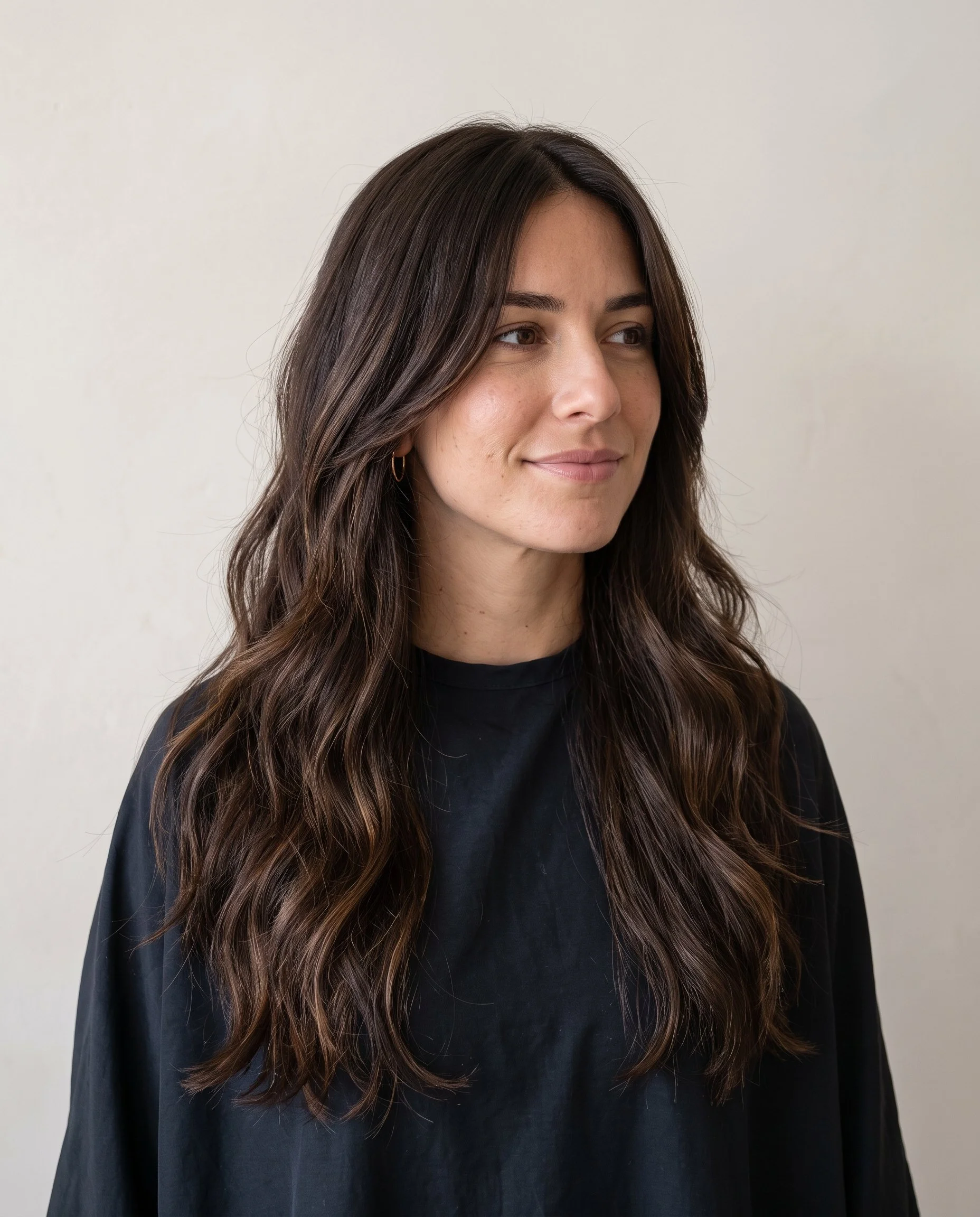

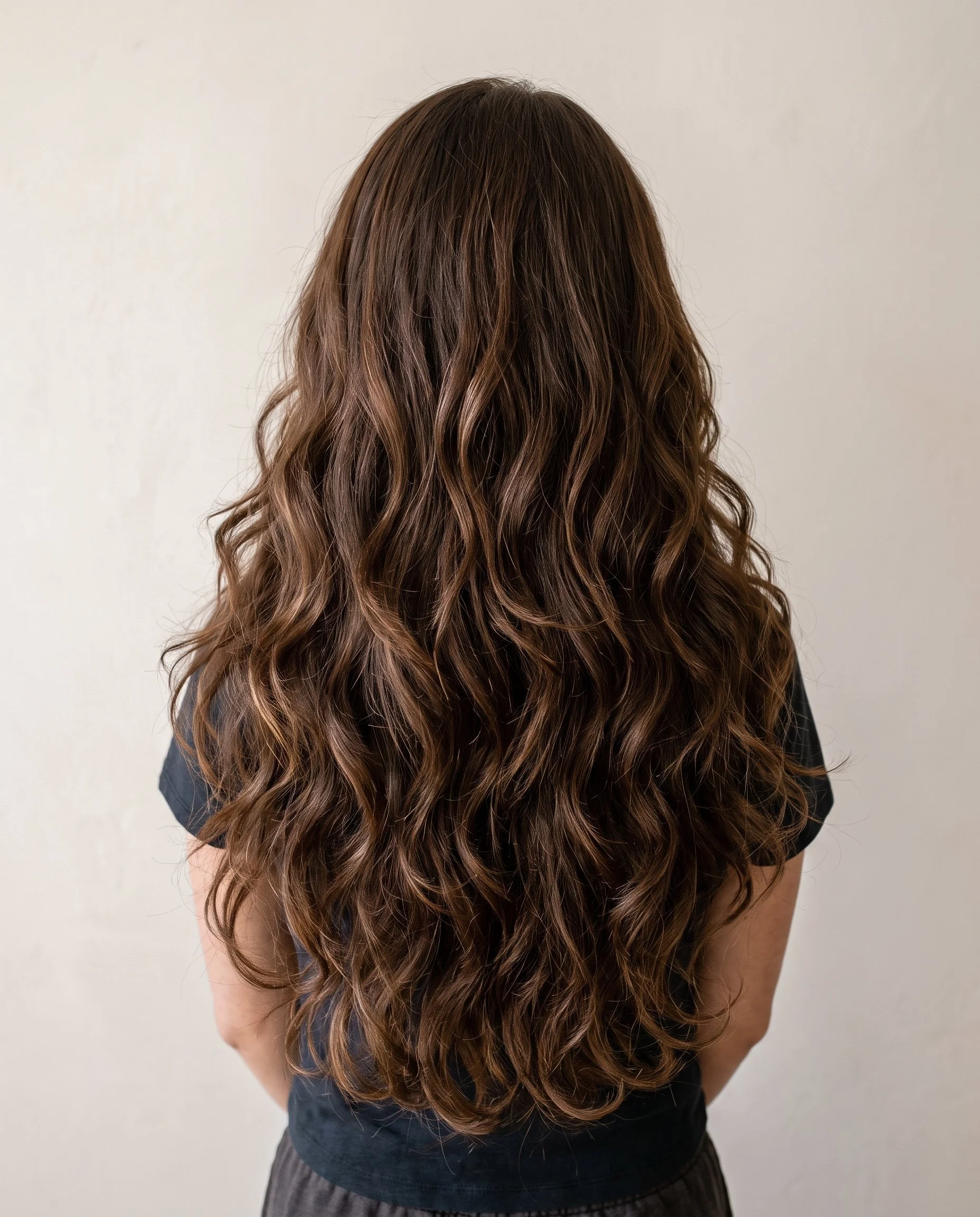
11. Long Cascading U-Cut
Best Curl Type: 2B to 3C
Flattering Face Shapes: All face shapes
Maintenance Level: Low (Trims every 10–14 weeks)
Rather than cutting straight across the back, the perimeter is shaped into a soft, sweeping "U." This removes excess weight from the sides, creating a flattering drape across the shoulders and preventing the bottom hem from looking dense and shelf-like.
Styling Insight: Section hair into four quadrants when applying styling products to ensure even coverage from roots to tips.
12. Deep V-Cut with Interior Layers
Best Curl Type: 3A to 4B (High density)
Flattering Face Shapes: Round, Square
Maintenance Level: Low (Trims every 12 weeks)
For individuals with immense hair density, a V-cut dramatically points downward toward the middle of the back. It drastically debulks the perimeter while preserving overall length, allowing spirals to move without feeling heavy.
Styling Insight: Use a microfiber towel to gently squeeze out excess water before diffusing to avoid stretching out the pattern.
13. The Butterfly Cut for Curls
Best Curl Type: 2A to 3B
Flattering Face Shapes: Oval, Heart, Square
Maintenance Level: Medium (Trims every 8–10 weeks)
Features two distinct tiers: high, airy face-framing layers that hit around the chin (mimicking a shorter cut from the front), combined with sweeping, cascading length through the back.
Styling Insight: Ideal for creating high-volume faux-bob updos by simply pinning the lower back length underneath.
14. Long Curly Hair with Wispy Curtain Bangs
Best Curl Type: 2B to 3C
Flattering Face Shapes: Long, Oblong, Oval
Maintenance Level: Medium (Bang trims every 4–6 weeks)
Adding soft, cheekbone-grazing curtain bangs breaks up the vertical elongation of long hair, framing the face softly without requiring daily round-brushing.
Styling Insight: Twist damp curtain bangs around your index finger away from your face with a drop of leave-in cream, allowing them to air-dry naturally.
15. The Invisible Layered Cut
Best Curl Type: 2A to 3C (Fine to Medium density)
Flattering Face Shapes: All face shapes
Maintenance Level: Low (Trims every 12 weeks)
Designed for curls that lose their definition when cut with standard layers. The stylist cuts internal "pockets" under the top veil of hair, giving curls space to expand and bounce while preserving a solid, thick-looking exterior hemline.
Styling Insight: Apply a weightless curl mist and scrunch lightly; the internal pockets will naturally create lift.
Seamless Integration: Blending Lightweight Extensions into Curly Cuts
Many clients assume hair extensions are only meant for straight blowouts, but modern application techniques have made them an exceptional solution for textured hair. Whether you want to add chemical-free color dimension, restore density to thinning areas, or add length without waiting years for growth, the key lies in lightweight, everyday-wear extensions.
Blending extensions into a curly haircut requires specialized customization:
Texture-Pattern Matching: Extensions must match your specific curl diameter—from loose 2B waves to 3C corkscrews, both when wet and dry.
Weight Distribution & Scalp Health: Heavy, rigid wefts strain the natural curl pattern and stress the hair follicle. Ultra-lightweight methods (such as micro-wefts or custom keratin bonds) move in harmony with your natural curls without causing tension or breakage.
Dry Carving and Blending: Never let a stylist cut your extension hair straight across. Once applied, extensions must be dry-cut and slide-cut directly into your natural curl clumps. This eliminates harsh lines and prevents the natural hair from sitting like a "cap" over the longer extension strands.
When properly cut and blended, high-grade extensions move invisibly, withstand everyday washing, and elevate the volume of your natural shape.
The Cutting Philosophy: Wet vs. Dry Cutting for Curls
The standard salon protocol of washing hair, combing it straight, and cutting it wet under high tension is fundamentally flawed for textured hair.
When curly hair is wet, water temporarily breaks the hydrogen bonds that form the curl, stretching the fiber out. Cutting hair in this state means the stylist is cutting a phantom length. Because each curl cluster has a slightly different pattern, tightness, and growth angle, wet-cut hair contracts unpredictably once dried, resulting in accidental shelves, uneven lines, and unwanted shortness.
Dry cutting, conversely, allows the stylist to sculpt the hair visually, curl by curl, in its resting state. The stylist observes how each curl drapes over the shoulders, frames the cheekbones, and responds to natural cowlicks. When scheduling your next haircut in Fort Lauderdale, confirm that your stylist conducts your initial shape assessment and cutting on dry, naturally styled curls to avoid shrinkage surprises.
Coastal Humidity and Hair Science: Why Curls React to the Climate
Living in a subtropical, coastal environment requires a deeper understanding of curl biology. Curls are naturally drier and more porous than straight hair because sebum produced at the scalp cannot easily travel down the twisted spiral shaft.
According to a peer-reviewed biomechanical study on curly hair morphology, curly hair fibers possess an irregular, elliptical cross-section with uneven cuticle packing compared to round, straight fibers. These variations in fiber geometry and surface cuticle distribution create points along the hair shaft where moisture escapes more readily.
In high-humidity climates, the opposite problem occurs: dry, porous curls absorb water vapor from the humid air. This influx of atmospheric moisture causes individual hair shafts to swell irregularly, breaking apart defined curl clumps and producing halo frizz.
To counteract this reaction, coastal styling requires a dual approach:
The Structural Cut: Interior weight must be carefully removed to prevent the cut from expanding into a solid block of frizz in high humidity.
Moisture Balancing: Layering a water-based leave-in conditioner under a botanical oil or anti-humectant styling gel creates a protective barrier that seals the cuticle against ambient dew points.
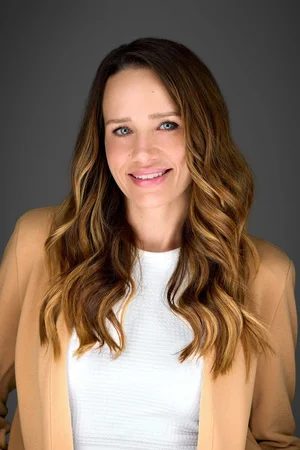
MARINA VOGEL
Expert Insight: The Art of Sculpting Textured Hair
Managing curls in warm, humid climates requires a balance of technical discipline and organic understanding. Marina Vogel, Elite Stylist, Salon Owner of MaVo Hairlounge, and a European-trained hairstylist originally from Germany, shares her perspective on textured hair architecture:
"In traditional European hairdressing, we are trained to respect the natural geometry of hair. When it comes to curls, you cannot force the hair to comply with a textbook angle. You have to read the hair strand by strand.
Here in South Florida, the climate is an active variable in every haircut. If you over-thin curly hair with texturizing shears, you shatter the curl clumps, and the South Florida humidity will turn those shattered ends into immediate frizz. Instead, we use precision dry-carving techniques. We carve out dense weight from underneath, giving the curls room to breathe, spring up, and clump together naturally.
Whether we are creating a fresh shape on natural curls or customizing lightweight extensions to add natural fullness, the goal is always the same: an effortless wash-and-wear silhouette that looks even better when you step outside into the coastal air."
— MARINA VOGEL, Owner, Mavo Hairlounge
Managing frizz and preventing shape distortion in coastal climates requires booking a consultation with the best hair salon in Fort Lauderdale, where stylists understand how to carve out interior weight without compromising curl integrity.
Finding Your Signature Curly Silhouette
A successful curly haircut works with your texture rather than against it. When you honor the natural physics of your curl pattern, accounting for shrinkage, managing interior weight, and using structural dry-cutting, you eliminate the need for complicated, heat-intensive morning routines.
Take time to understand your curl pattern and daily styling threshold, bring visual references that showcase hair textures similar to your own, and collaborate with a stylist who understands the geometry of natural curls. The right cut provides a versatile, healthy foundation that empowers your curls to look their best every single day.
Frequently Asked Questions
-
For medium to long curly styles, scheduling a maintenance trim every 10 to 12 weeks preserves shape and prevents split ends from traveling up the delicate hair shaft. Shorter cuts, such as the tapered curly pixie or French bob, benefit from a touch-up every 4 to 6 weeks to keep perimeters clean.
-
The "triangle effect" occurs when hair is cut with a blunt, horizontal baseline and no internal graduation. To fix this, your stylist must incorporate curved layering and interior debulking, removing weight around the middle and lower perimeter to allow curls to stack in a balanced, rounded shape.
-
Yes. Curly bangs add immediate style and frame the face beautifully. However, they should always be cut completely dry, curl by curl, without pulling them taut. This accounts for curl spring and ensures the fringe hits comfortably around the eyebrows rather than bouncing up to mid-forehead.
-
Yes, provided they are applied with low-tension methods (such as custom-matched micro-wefts) and matched precisely to your natural curl type. An experienced stylist will dry-cut and blend the extensions into your existing curl clumps so they move together seamlessly.
Read more…