What Are the Different Types of Hair Extensions? The Complete Guide
Fort Lauderdale's humidity is no joke. One minute you have bouncy, voluminous hair, and the next it's flat against your head like you just stepped out of the ocean. That's why so many of us here rely on hair extensions to fight back. They're the fastest way to get the length, thickness, or color you want without waiting a year for your natural hair to cooperate.
In 2025, the options are better than ever. Ethical human hair, lighter bonds, invisible tapes, and textures that actually match South Florida curls and waves are everywhere. Whether you're looking for something you can throw in for a single night out or a set that will last you through hurricane season, this guide covers every major type on the market today, with real talk about what works (and what doesn't) in our climate.
If you're tired of battling frizz and ready for hair that actually behaves, keep reading. And when you want a stylist who understands Fort Lauderdale hair struggles inside and out, the best hair salon in Fort Lauderdale is filled with locals who deal with the same salt air and 90 percent humidity every day.
Let's start with a bit of history to set the scene. Hair extensions aren't new; people have been using them for centuries, from ancient Egyptians weaving in human hair to Victorian women adding horsehair for volume. But modern extensions started gaining traction in the 1990s with clip-ins and weaves, and by the 2010s, bonded methods like fusion became mainstream. Now, in 2025, advancements in materials and techniques have made them more natural, durable, and accessible than ever before. Brands are focusing on sustainability, using recycled packaging and ethically sourced hair, which appeals to environmentally conscious consumers. Plus, with social media influencers showcasing seamless blends, more women are trying them for the first time.
Before diving into specific types, it's worth noting why extensions have become so popular in places like Fort Lauderdale. Our lifestyle here revolves around the beach, boating, and outdoor events, where wind and moisture can wreak havoc on natural hair. Extensions provide that extra layer of protection and style versatility, allowing you to go from a casual brunch to an evening yacht party without a complete restyle. They also help with common issues like thinning hair from stress, aging, or medical treatments, giving a confidence boost that's hard to quantify.
Human Hair vs. Synthetic: The Very First Choice
Everything else flows from this decision. Human hair comes from real donors, often from countries like India, Brazil, or Eastern Europe, where long, healthy hair is common. Top-tier Remy or virgin hair keeps the cuticles intact and aligned in the same direction, preventing tangles and matting that plague lower-quality options. This alignment ensures the hair behaves naturally, reflecting light and moving fluidly. Ethical sourcing is a big deal now; reputable suppliers provide traceability from donor to product, ensuring fair wages and no exploitation. Human hair absorbs dyes, withstands heat tools up to 400°F, and handles humidity like your own strands. You can swim, exercise, and even sleep in some types without issues. With consistent care, a premium set can last six months to well over a year, making it a smart long-term investment.
On the other hand, synthetic hair is crafted from advanced polymers like kanekalon or toyokalon, engineered to mimic real textures. It's dramatically more affordable, often starting at just $30 for a full set, and arrives pre-styled, think perfect curls that hold their shape after washing without needing tools. Recent innovations include heat-resistant synthetics that tolerate up to 350°F, expanding styling options. They're ideal for experimenting with bold colors like platinum blonde or fiery red without commitment or damage to your natural hair. However, synthetics have limitations: they can appear unnaturally shiny under bright sunlight, tangle more easily in wind, and generally wear out after one to three months of regular use. In high-humidity areas like ours, they might not hold up as well, sometimes becoming frizzy or limp when exposed to moisture.
To illustrate the differences, consider a quick comparison table:
| Feature | Human Hair | Synthetic |
|---|---|---|
| Look & movement | Indistinguishable from your own | Good from a distance |
| Heat styling | Full range | Limited |
| Lifespan | 6–18 months | 1–3 months |
| Price | $150–$800+ | $30–$150 |
| Humidity behavior | Absorbs moisture natural |
In Fort Lauderdale's climate, human hair typically outperforms synthetic for everyday wear because it integrates seamlessly with your natural texture, reducing the need for constant adjustments. That said, synthetic options shine for short-term uses, like adding highlights for a festival or trying a new look without financial risk. Many beginners start with synthetics to test the waters before upgrading to human hair. Whichever you choose, always check for certifications like "100% Remy" to ensure quality.
The Main Types of Hair Extensions Explained
Now let's explore the methods in detail. I've included eight popular types, with insights tailored to our local environment.
1. Clip-In Extensions
Clip-ins are the gateway to extensions for many. These are wefts sections of hair sewn together with small, pressure-sensitive clips attached along the top. To apply, you simply open the clip, position it near your roots (after a quick tease for grip), and snap it closed. Most users can install a full set in five to ten minutes with practice, making them incredibly user-friendly.
They're ideal for occasional boosts, like adding volume for a date night or length for a photoshoot. In Fort Lauderdale, where spontaneous beach outings are common, women often keep a set handy for quick transformations before heading to Las Olas Boulevard. Since you remove them daily, there's no risk of damage to your natural hair, and they're fully reusable. A high-quality human-hair version can last six to twelve months or more with proper storage and gentle handling.
Potential drawbacks include the need for daily application and removal, and they might not stay secure during intense activities like swimming or windy boat rides. However, for their flexibility and lack of commitment, clip-ins remain a favorite among beginners and busy professionals alike.
2. Halo Extensions
Halo extensions offer a clip-free alternative. They consist of a single weft attached to a transparent, adjustable wire, think of it as an invisible headband. Application is effortless: place the wire on your crown, pull sections of your own hair over it to conceal, and blend the ends.
This method gained massive popularity for its comfort and zero-damage profile, making it perfect for those with fine or thinning hair that can't support heavier attachments. In 2025, halos come with enhanced features like customizable wire lengths and pre-textured strands for better blending. A well-maintained set typically lasts six to nine months.
Styling limitations exist, such as challenges with high updos where the wire might peek through, and they're less suitable for very short hair. Yet, in our hot climate, their lightweight design prevents scalp irritation, making them a go-to for everyday wear.
3. Tape-In Extensions
Tape-ins serve as a reliable semi-permanent option. These involve thin wefts coated with medical-grade adhesive on one side. A stylist sandwiches a small section of your natural hair between two wefts and seals them together, creating a flat, seamless bond.
The result feels natural, with excellent movement and versatility for styles like high ponytails or braids. Users generally enjoy six to eight weeks of wear before a move-up session, where the tapes are repositioned as your hair grows. The extensions themselves can be reused multiple times with fresh adhesive.
In Fort Lauderdale, tape-ins are a top choice due to their breathability; they don't trap heat like bulkier methods. Just avoid oil-based products near the bonds and schedule timely maintenance to prevent slippage in humid conditions.
4. Micro-Link / I-Tip Extensions
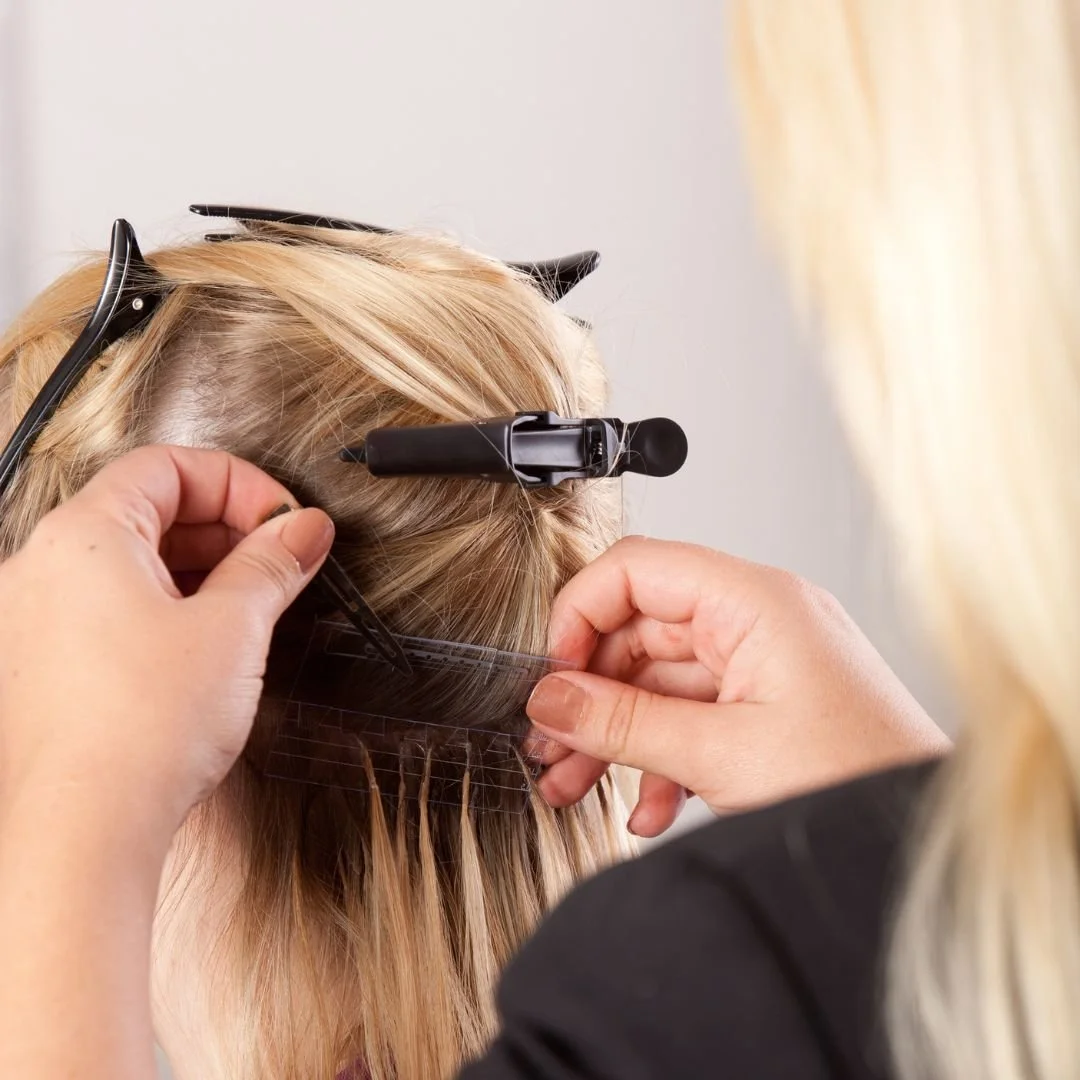
Micro-link extensions, also known as I-tips, use small beads (metal or silicone-lined) to secure individual strands. Your stylist threads your hair and the extension through the bead, then crimps it shut, no heat or chemicals involved.
This creates unparalleled natural movement, as each piece swings independently. They're excellent for versatile parting and updos, with no visible attachments. Installation takes two to four hours, but the payoff is three to five months of low-maintenance wear, with occasional bead adjustments.
The process might feel lengthy, and beads can be palpable on very fine hair. For those avoiding adhesives, though, micro-links are unmatched, especially in active, outdoor-heavy lifestyles common here.
5. Hand-Tied Weft Extensions
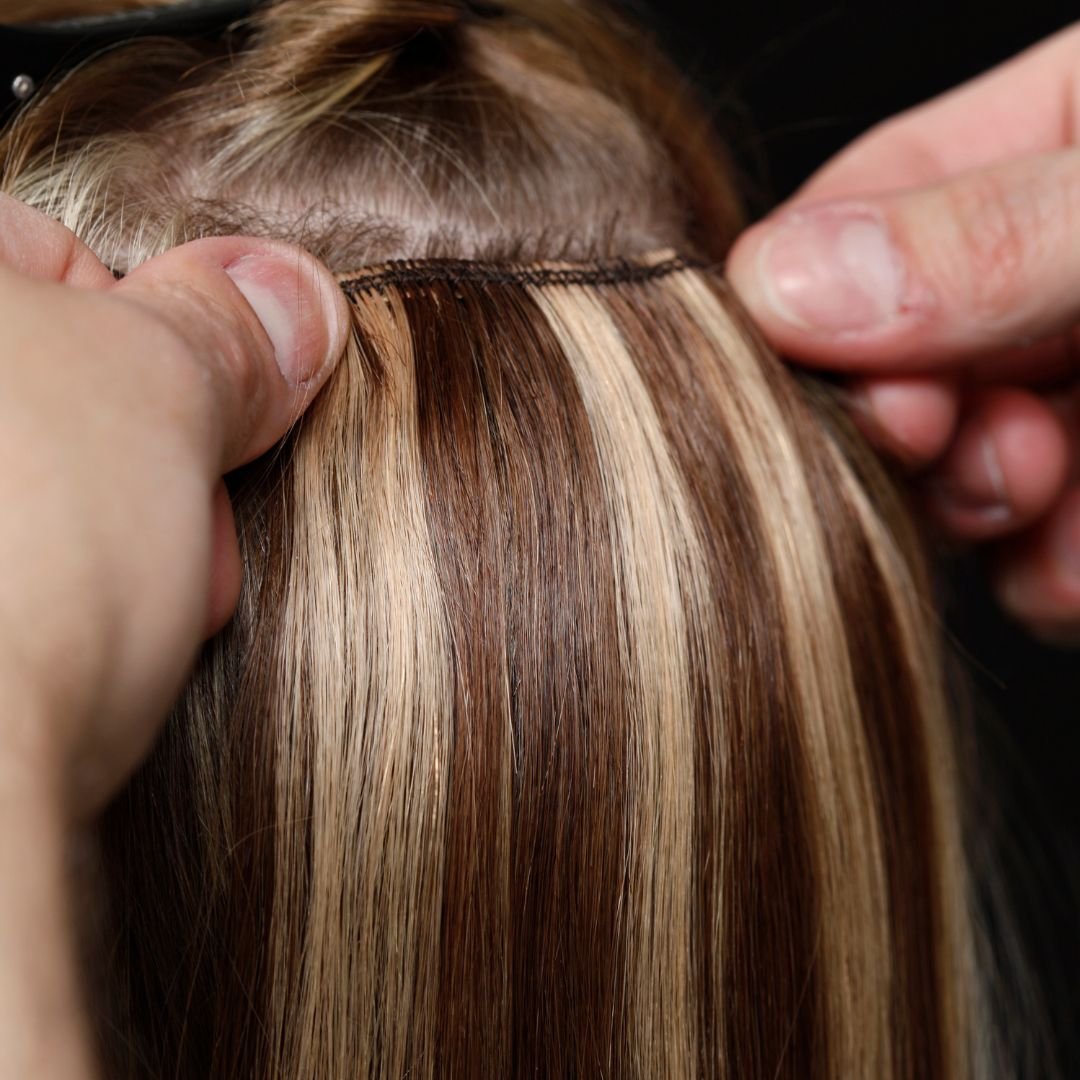
Hand-tied wefts represent the pinnacle of volume in 2025. Unlike machine-sewn wefts with thick bases, these are meticulously knotted by hand onto a slim thread, resulting in an ultra-thin profile. They're sewn onto small braided foundations in your hair, often in one to three rows based on desired density.
A single row offers subtle enhancement, while multiple rows deliver dramatic fullness without weight. In humid Fort Lauderdale, their design allows air circulation, reducing sweat buildup and discomfort. Installation spans one to three hours, with move-ups every seven to ten weeks. The wefts endure three to four cycles before replacement.
This method suits medium to thick hair best, providing comfort that makes users forget they're wearing extensions. Recent hybrids combining hand-tied with beads add even more customization.
6. Fusion / Keratin Bond Extensions
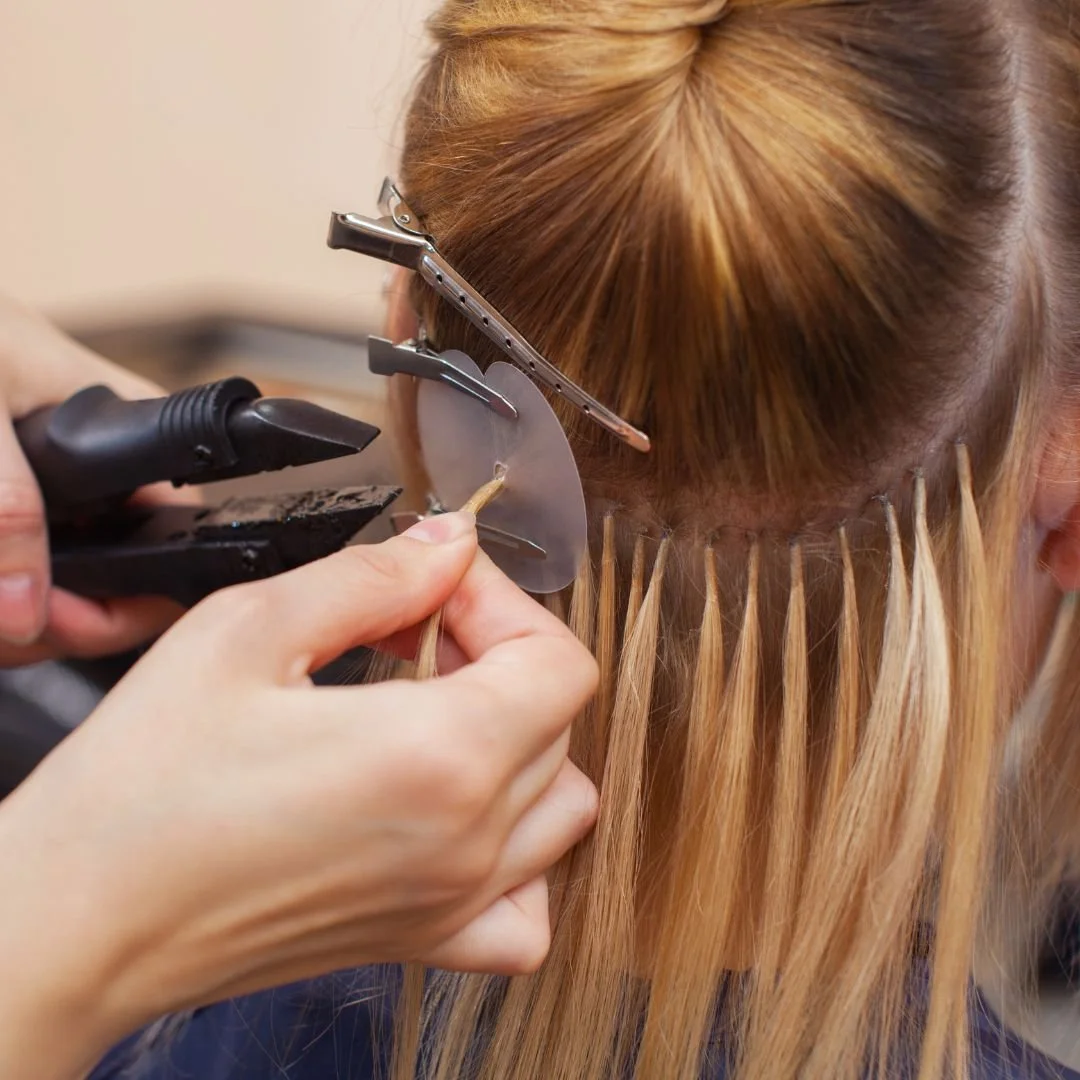
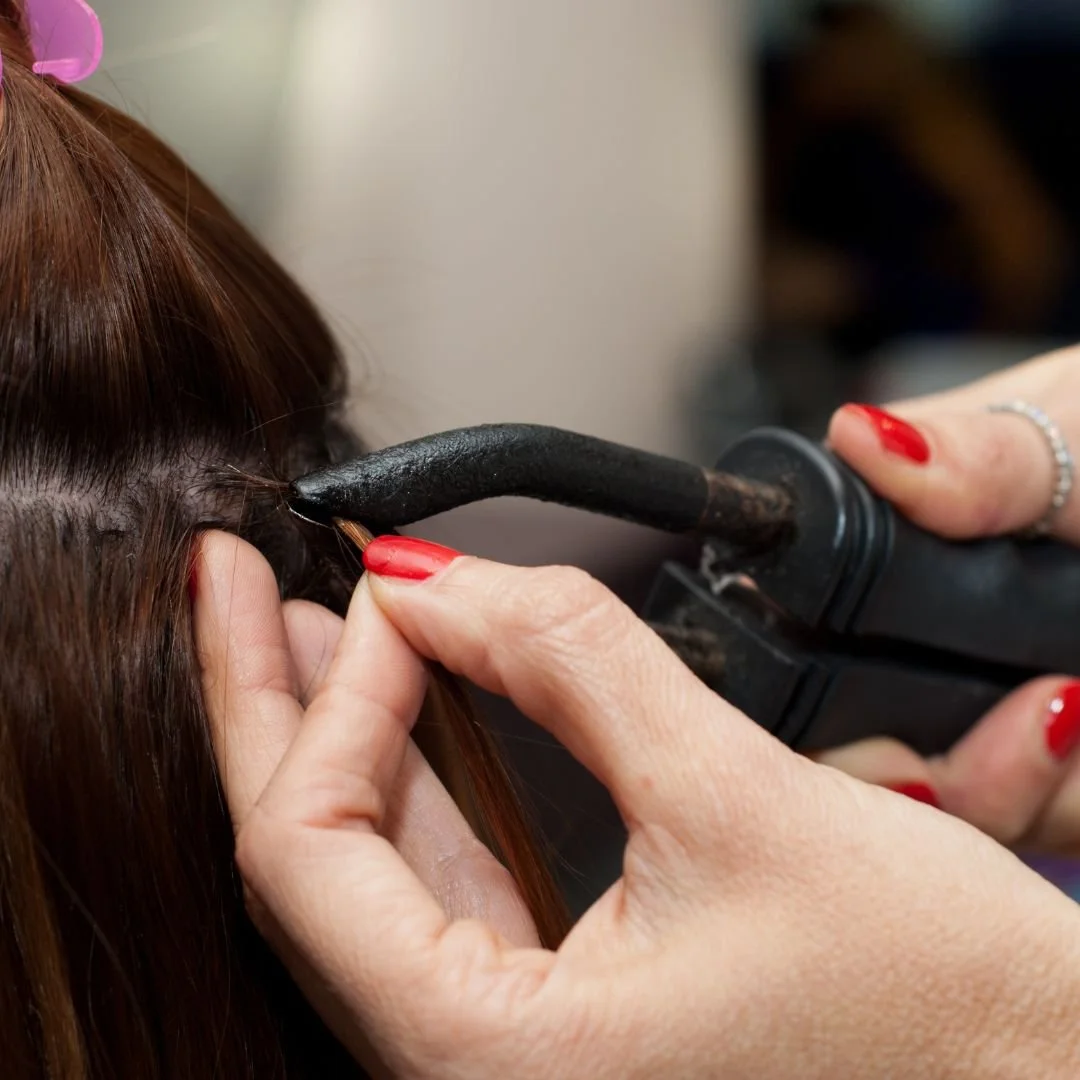
Fusion involves keratin-tipped strands bonded to your hair using a heating tool. The keratin melts and hardens into discreet capsules, nearly invisible even up close.
Offering four to six months of wear, they're ideal for low-maintenance routines, swim, gym, or style freely. 2025's plant-based keratins and lower-heat applicators minimize damage risks.
Professional removal is essential to avoid breakage, but the longevity makes fusion a worthwhile choice for committed users.
7. Sew-In / Traditional Weave
Sew-ins begin with cornrowing your natural hair, onto which wefts are stitched. Contemporary versions emphasize loose braids and lightweight materials for comfort across all textures.
"Versatile" sew-ins leave perimeter hair out for natural-looking parts and styles. They're exceptional for protection, allowing natural growth while shielding from elements, perfect for recovering from damage.
In our moisture-rich air, regular scalp care prevents issues, but the six-to-eight-week wear cycle keeps things fresh.
8. U-Tip / Nail-Tip Extensions
U-tips mirror fusion but feature nail-shaped keratin tips that encircle your hair for superior grip. This 360-degree bond excels in high-activity scenarios, resisting slippage during workouts or water sports.
Lasting four to six months, they're favored by professionals in demanding roles. Clearer formulas in 2025 enhance invisibility.
Side-by-Side Comparison (2025 Fort Lauderdale Prices)
| Type | Install Time | Wear Time | Damage Risk | Best For | Local Cost |
|---|---|---|---|---|---|
| Clip-In | 5–10 min | Remove daily | None | Events, beginners | $150–$450 |
| Halo | 5 seconds | Remove nightly | None | Fine hair, quick fix | $180–$400 |
| Tape-In | 40–90 min | 6–8 weeks | Low | Everyday seamless | $400–$900 |
| Micro-Link | 2–4 hrs | 3–5 months | Very low | Natural movement | $600–$1,400 |
| Hand-Tied (2 rows) | 1–3 hrs | 7–10 weeks | Low | Major volume, comfort | $800–$1,600 |
| Fusion/U-Tip | 3–6 hrs | 4–6 months | Moderate | Set-it-and-forget-it | $900–$2,200 |
| Sew-In | 2–4 hrs | 6–8 weeks | Low | Protective styling | $350–$900 |
These figures account for 20-22-inch Remy human hair. For flawless installation that understands our local hair and weather, many women trust the best hair salon in Fort Lauderdale, no matter which method they choose.
To expand on costs, remember that initial prices include the hair and labor, but ongoing maintenance adds up. For example, tape-in move-ups might run $200–$350 every two months, while fusion removal and reinstall could be $400–$600 quarterly. Budgeting for these ensures your look stays fresh without surprises. Also, factor in products like specialized shampoos or brushes, which can add $50–$100 monthly for optimal results.
How to Pick the Right One for You
Selecting extensions starts with self-reflection. Consider your daily routine: if you're a mom juggling school runs and work, opt for low-effort options like fusion or hand-tied. For fine hair prone to breakage, lightweight halos or micro-links prevent strain. Thick, curly hair thrives with sew-ins or hand-tied wefts that distribute weight evenly.
Activity level matters too. If you're into yoga, running, or boating, choose secure bonds like U-tip or micro-link to avoid adjustments mid-day. Budget-wise, start small with clip-ins if you're new, then upgrade as you gain confidence. Local prices vary, but you can get honest quotes and flexible options when you check affordable hair salon prices in the area.
Don't forget your goals: volume for thinning spots, length for a dramatic change, or color without commitment. Consulting a pro helps match these to your face shape and skin tone for the most flattering result. In 2025, virtual try-on apps from brands like Bellami let you preview looks at home.
Common pitfalls include ignoring scalp health, always ensuring methods allow proper cleansing, or overdoing it with too many wefts, leading to discomfort. Start conservative and add as needed.
Maintenance That Actually Works in South Florida
Proper care is crucial for longevity. Wash only twice weekly using sulfate-free shampoo to preserve bonds and color. Apply conditioner mid-length to ends, avoiding roots or attachments. Detangle with a wide-tooth comb or loop brush, starting from the bottom to prevent pulling.
For sleeping, use a silk pillowcase or bonnet to reduce friction. In our humidity, apply anti-frizz serum daily and store removable extensions in a cool, dry place. After beach or pool time, rinse immediately with fresh water and use clarifying shampoo monthly to remove buildup.
Professional touch-ups are key: reposition tape-ins or tighten micro-links promptly to avoid matting. Invest in quality tools like a heat protectant for styling and a detangling spray for ease.
Troubleshooting tips: if bonds feel sticky, it might be product buildup. Switch to lighter formulas. For itchiness, a tea tree scalp treatment soothes without compromising attachments.
With these habits, extensions can exceed expected lifespans, saving money and frustration.
@mavohairlounge Keratin Cold Fusion Extension Install 💁🏼♀️🫶🏼💖 #mavobabes #mavobabe #mavohair #greatlengthsusa #greatlengthshairextensions ♬ original sound - court_side_325
Final Thoughts
There has never been a better time to explore hair extensions. The methods are lighter, the hair more ethical, and the results more natural than ever. Your perfect set is out there, whether it's a five-second halo for busy mornings or hand-tied rows that make you feel like a celebrity.
Ready for hair that finally fights back against the humidity? Book a consultation today. Spots like Mavo Hair Lounge make it easy and transparent. Just visit the page to book Mavo Hair Lounge and see available times and exact pricing.
You deserve hair that looks amazing every single day, rain or shine. Embrace the transformation; it's more than just hair, it's confidence in a strand.
FAQs
-
Hand-tied wefts, micro-links, and high-quality tape-ins win for seamless blending when installed and colored correctly.
-
With proper care: clip-ins and halos 6–18 months, tape-ins 6–8 weeks per install, fusion and micro-link 4–6 months.
-
Yes. Fusion, U-tip, micro-link, and hand-tied handle swimming and sweating best. Always rinse well afterward.