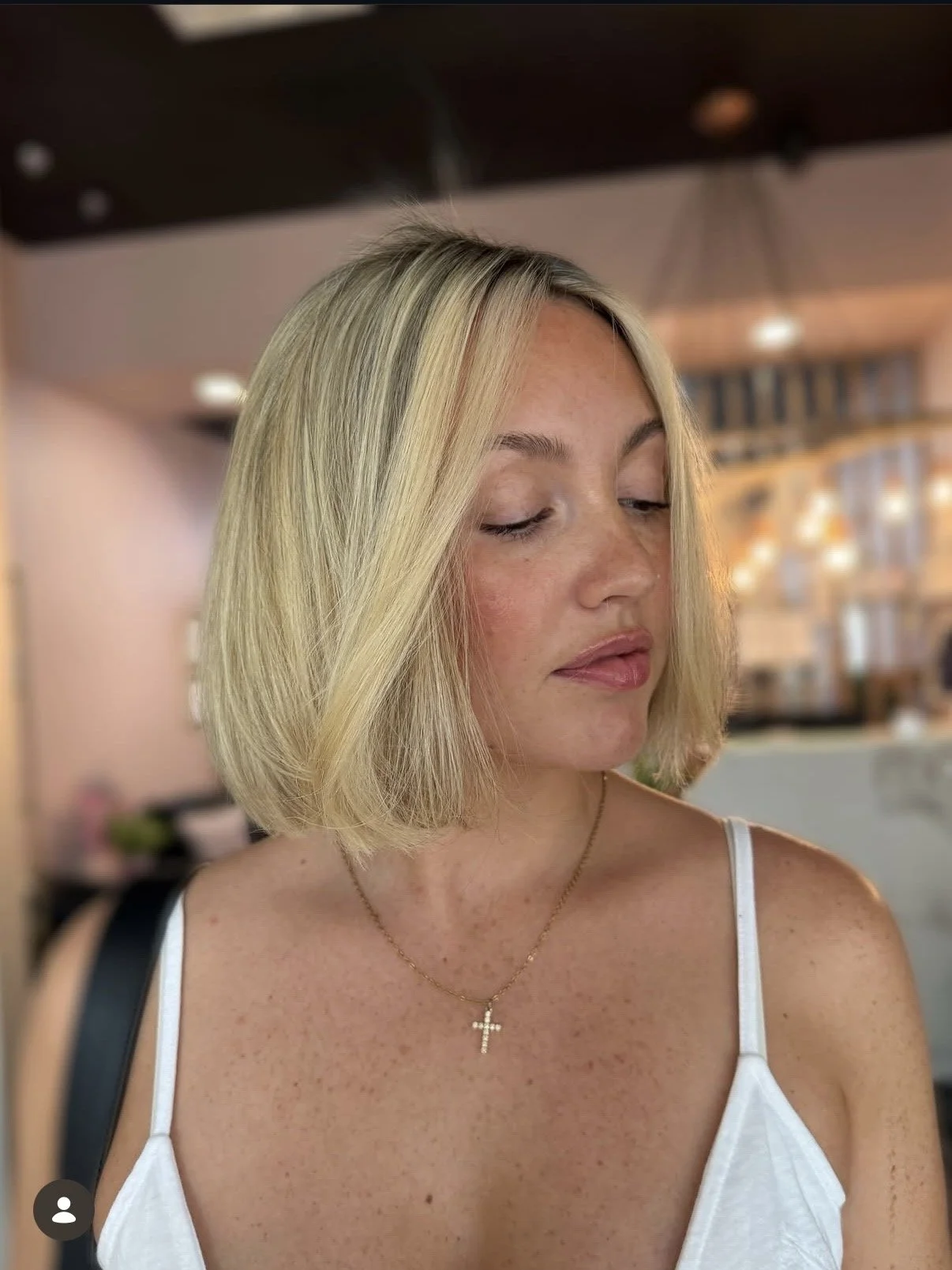
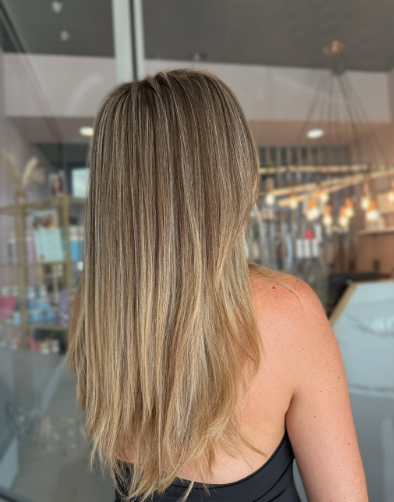
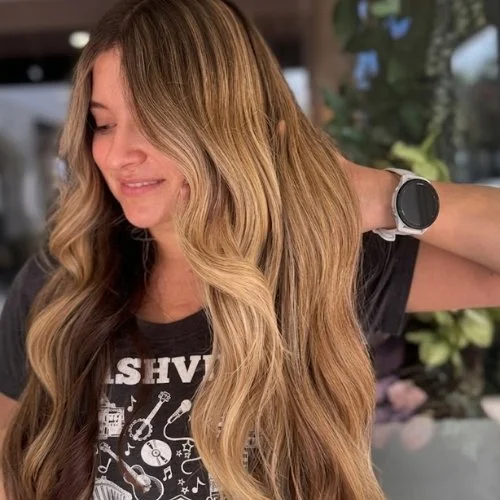
Everything You Need to Know About Tape-In Hair Extensions
Tape-in hair extensions are a popular semi-permanent extension method designed to add length, fullness, and dimension with a lightweight feel. Known for their flat attachment points and relatively quick installation process, tape-in extensions can create natural-looking results when properly customized and professionally installed.
Because they lay close to the scalp, tape-ins are often chosen by clients looking for a lower-profile extension option with flexible styling and relatively easy maintenance.
Whether you are new to extensions or exploring different methods, understanding how tape-in extensions work, their maintenance requirements, and how they compare to other extension options can help you determine whether they are the right fit for your hair type and lifestyle.
Working with a professional hair extension service helps ensure proper placement, blending, and long-term hair health while creating the most seamless and natural-looking result possible.
Explore the different types of hair extensions before your appointment.
What Are Tape-In Hair Extensions?
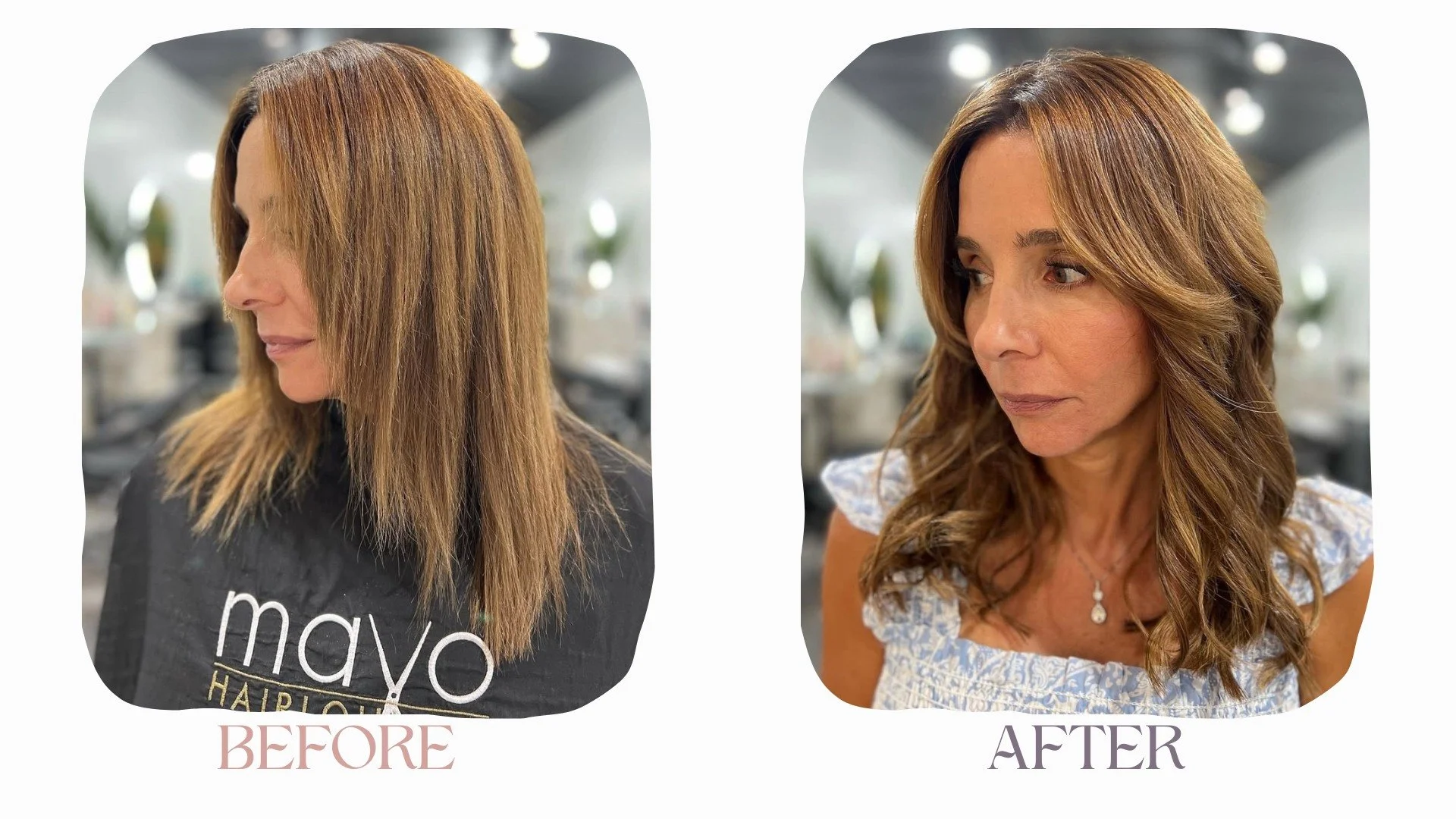
Tape-in hair extensions are a semi-permanent extension method that uses thin wefts attached with medical-grade adhesive tabs designed to lay flat against the scalp for a seamless-looking result.
The extensions are applied by placing sections of natural hair between two extension tabs, creating a lightweight and flexible attachment point. Because of their flatter design, tape-ins are often chosen by clients looking for a lower-profile extension method with relatively quick installation.
Most high-quality tape-in extensions use 100% human hair to help maintain a softer, more natural look and better styling flexibility.
One of the biggest advantages of tape-ins is the speed of application compared to some other extension methods. However, proper placement, maintenance, and home care are important to help maintain comfort, blending, and the overall health of the natural hair.
Working with a professional hair extension service helps ensure the extensions are customized correctly for your hair type, density, and lifestyle.
How Tape-In Extensions Work
Tape-in extensions are applied using thin adhesive wefts that lay flat against the scalp for a lightweight, seamless-looking result.
Sectioning & Placement
The hair is carefully sectioned, and small tape-in wefts are placed strategically throughout the hair to create balanced fullness and natural movement.
Securing the Extensions
The extensions are applied by sandwiching sections of natural hair between adhesive tabs, creating a flat and flexible attachment point.
Blending & Styling
Once installed, the extensions are trimmed, layered, and blended to match the client’s haircut and overall style for a more natural finish.
Tape-in extensions are often chosen for their relatively quick application process and lightweight feel. However, proper placement, maintenance, and home care are important to help prevent slipping, tangling, or unnecessary stress on the natural hair.
For clients exploring different extension options, learning more about the different types of hair extensions can help determine which method best fits your lifestyle, maintenance preferences, and hair goals.
Types of Tape-In Hair Extensions
Classic Tape-In Extensions
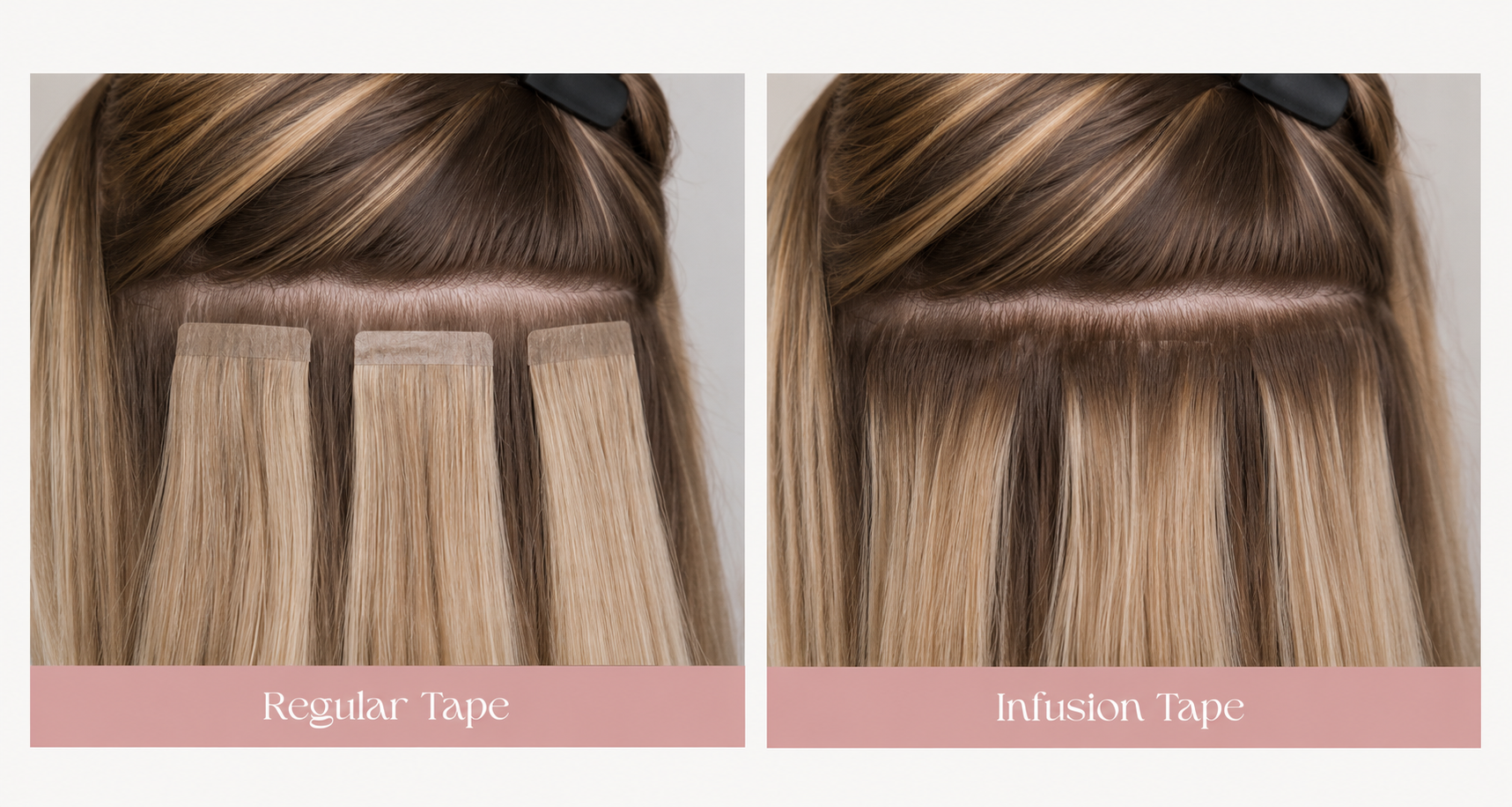
Traditional tape-in extensions use flat adhesive wefts that provide quick installation and seamless-looking fullness. They are lightweight, reusable, and work well for many hair types when professionally installed and maintained.
Invisible / Infusion Tape-In Extensions
Newer invisible tape-in methods are designed with hair layered over the top seam to help better conceal the attachment point. This creates a softer, more natural blend, especially for finer or thinner hair types where traditional tapes may become more visible.
While invisible-style tapes are often slightly more premium in pricing, many clients prefer them for their softer grow-out, flexibility, and more seamless overall appearance.
Potential Drawbacks and Considerations
Like all extension methods, tape-in extensions require proper maintenance and may not be the ideal fit for every hair type or lifestyle.
Maintenance Appointments
Tape-ins typically require professional removal and reinstallation every several weeks as the natural hair grows out.
Product & Home Care
Heavy oils, conditioners near the adhesive area, or improper home care can sometimes affect the longevity of the tapes and lead to slipping.
Professional Removal
Tape-in extensions should always be removed professionally to help protect the natural hair and avoid unnecessary tension or breakage.
For many clients, tape-ins remain a convenient and lightweight extension option when properly installed, maintained, and customized to their hair type and daily routine.
How Long Do Tape-In Hair Extensions Last?
Tape-in extensions typically require professional removal and reinstallation every 6 to 8 weeks as the natural hair grows.
The longevity of the hair itself depends on factors such as:
hair quality
home care
styling habits
maintenance routine
and overall lifestyle
With proper maintenance and high-quality human hair, many tape-in extensions can be reused through multiple installations.
Because tape-ins rely on adhesive attachment points, proper home care is important to help prevent slipping, tangling, or unnecessary tension on the natural hair. Heavy oils, excessive heat near the tabs, and improper brushing can sometimes affect the longevity of the extensions.
Working with a professional stylist helps ensure safe removal, proper reinstallation, and healthier long-term results for both the extensions and natural hair.
Tape-In Extension Costs
The cost of tape-in extensions can vary depending on factors such as hair quality, desired length and fullness, installation method, and overall customization.
Higher-quality human hair extensions and more seamless invisible-style tape methods are typically more premium, but they often provide a softer blend, better longevity, and a more natural overall result.
Because every client’s hair goals and density are different, a professional consultation is the best way to determine the ideal amount of hair, extension method, and maintenance plan for your lifestyle and desired look.
Professional installation and proper maintenance also help support healthier long-term results for both the extensions and natural hair.
Caring for Tape-In Hair Extensions
Proper home care plays a major role in maintaining the appearance, comfort, and longevity of tape-in extensions.
Gentle Washing
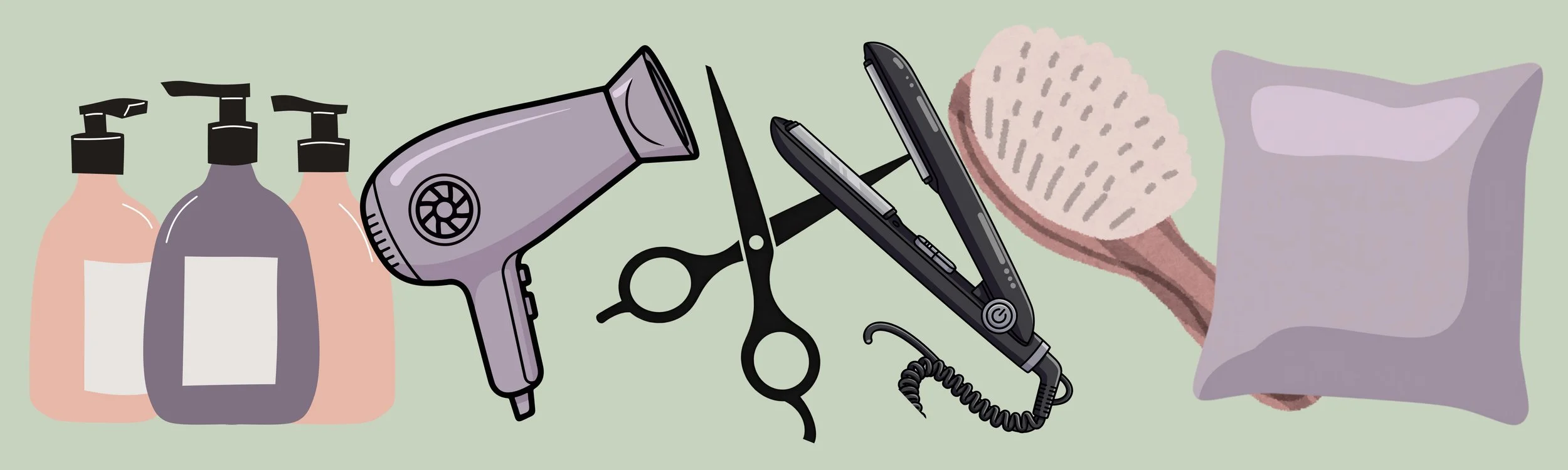
Using sulfate-free, extension-safe products and avoiding heavy oils near the adhesive area can help maintain the integrity of the tapes.
Careful Drying & Styling
Avoid excessive heat directly on the tape tabs and always use heat protection when styling with hot tools.
Brushing & Daily Care
Using an extension-friendly brush and gently detangling the hair can help reduce pulling and unnecessary tension near the attachment points.
Sleeping & Maintenance
Keeping the hair loosely braided or secured while sleeping may help reduce tangling and friction overnight.
With proper maintenance, professional installation, and quality haircare products, tape-in extensions can maintain a soft, seamless, and natural-looking appearance throughout the wear period.
Finding the Right Extension Fit
Tape-in extensions can be a great option for clients looking for lightweight fullness and relatively quick installation. However, the best extension method always depends on your hair type, lifestyle, maintenance preferences, and desired overall result.
A professional consultation helps determine whether tape-ins, invisible tapes, keratin bonds, or modern weft methods are the best fit for achieving your hair goals naturally and comfortably.

Conclusion
Tape-in extensions can be a great option for clients looking for lightweight fullness, added length, and a relatively quick installation process. Modern tape methods, especially invisible or infusion-style tapes, can create softer and more seamless-looking results when customized properly for the client’s hair type and density.
Like any extension method, tape-ins are not one-size-fits-all. The best extension approach depends on factors such as hair texture, lifestyle, styling habits, maintenance preferences, and desired overall look.
Working with an experienced extension specialist helps ensure the right method, placement, and hair quality are selected to create natural-looking, comfortable, and long-lasting results while maintaining the health of the natural hair.
Whether you are looking for subtle fullness or a complete transformation, a personalized consultation can help determine the best extension method for your hair goals.
Book a hair extension service today to start your transformation.
FAQs
-
Typically, tape-in extensions last 6–8 weeks before needing a move-up. With proper care, the hair can be reused for 6–12 months across multiple applications.
-
When applied, maintained, and removed professionally, tape-ins are gentle and rarely cause damage. Problems usually arise from improper removal or neglecting maintenance.
-
Prices range widely. DIY kits cost $50–$200, while professional installation can cost $200–$1,000 depending on hair quality, number of wefts, and salon location. Re-taping every 6–8 weeks typically runs $50–$150.
Read More