Everything About Keratin Fusion Hair Extensions: Benefits, Drawbacks, and Care Guide
Keratin fusion hair extensions, also known as K-tip extensions, are one of the most seamless and natural-looking methods for adding long-term length, fullness, and movement. Using lightweight keratin bonds attached strand by strand, this method creates a soft, flexible, and highly customizable result that blends beautifully with natural hair.
Unlike temporary extension methods, keratin fusion extensions are designed for longer-term wear and a lightweight, discreet feel. They are especially popular for clients looking for polished, effortless hair without bulky attachment points.
This guide covers everything you need to know about keratin fusion hair extensions, including application, maintenance, longevity, pricing, benefits, and what to expect before investing in the service.
If you are considering a professional hair extension service in Fort Lauderdale, this guide will help you decide whether keratin fusion extensions are the right fit for your hair goals and lifestyle.
What Are Keratin Fusion Hair Extensions?
Keratin fusion hair extensions, also known as K-tip or keratin bond extensions, are applied by attaching individual strands of extension hair to the natural hair using small keratin bonds. Depending on the technique, the bonds are applied using either heat or ultrasonic technology to create a secure, seamless, and natural-looking result.
This method is especially popular for clients looking for long-term fullness, length, movement, and a lightweight feel. Because the extensions are applied strand by strand, keratin fusion extensions blend very naturally and offer more flexibility compared to many other extension methods.
With proper maintenance and at-home care, keratin fusion extensions can typically last up to 3 to 4 months before removal or reinstallation is needed.
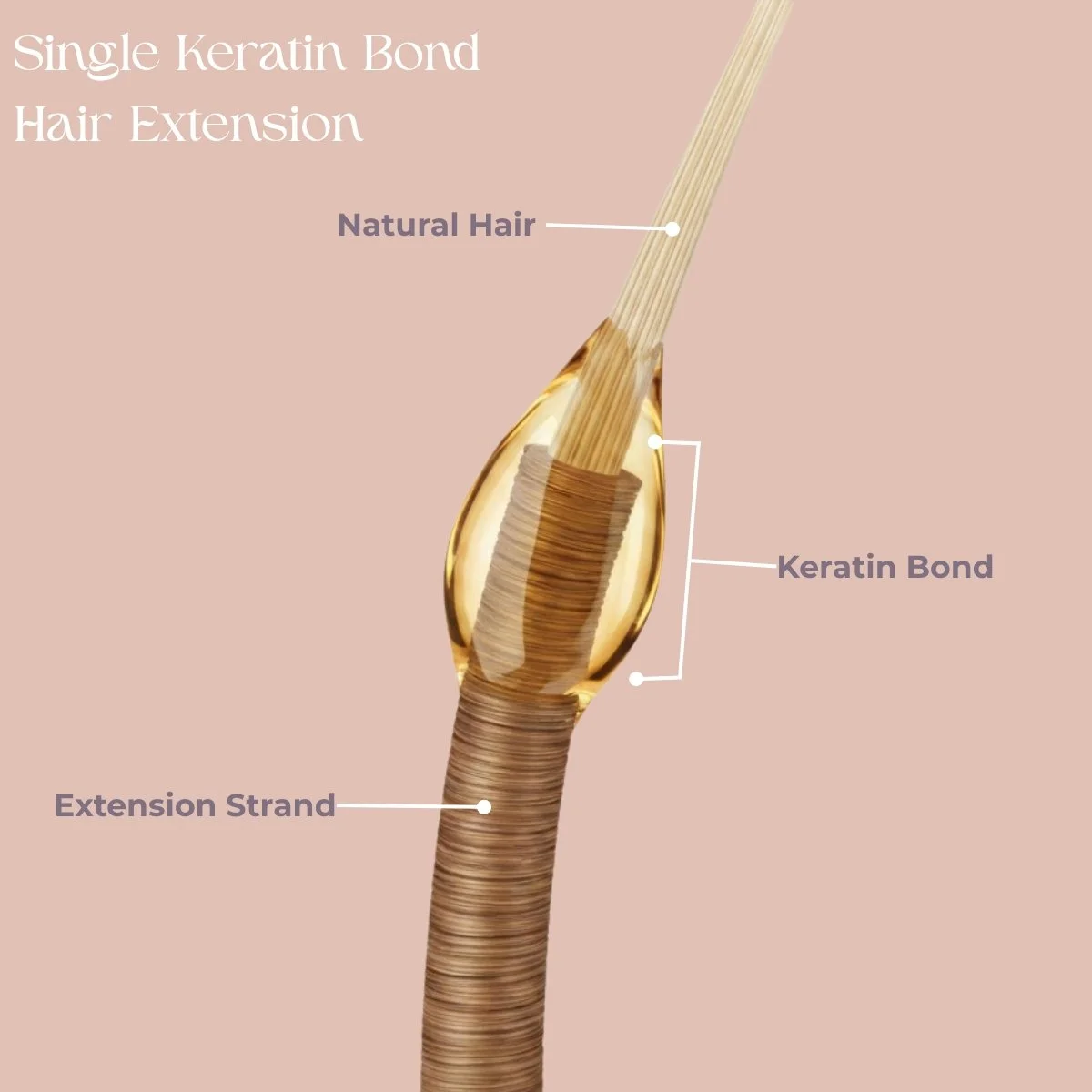
For a broader understanding of extension options, check out different types of hair extensions.
Keratin Bond vs. Other Methods
Keratin bond extensions differ from many other extension methods because they are applied strand by strand, creating one of the most seamless and natural-looking results available. Unlike bulkier extension methods, keratin fusion extensions move naturally with the hair and offer a lightweight, flexible feel.
Because the bonds are small and discreet, this method is especially popular for clients looking for long-term wear, natural movement, and highly customizable fullness and length.
Seamless Blend
Because each extension strand is attached individually, keratin fusion extensions move naturally with the hair and create a soft, seamless blend without bulky attachment points.
Longevity
With proper maintenance and at-home care, keratin bond extensions can typically last up to 3 to 4 months before removal or reinstallation is needed, making them a longer-term extension option.
Styling Flexibility
Keratin fusion extensions offer excellent styling versatility and can usually be curled, straightened, and styled similarly to natural hair while maintaining a lightweight, flexible feel.
While methods like tape-ins and weft extensions may offer faster installation or lower upfront cost, keratin fusion extensions are often considered a more customized, discreet, and luxury option for long-term wear.
Types of Fusion Extensions
Hot Fusion
Hot fusion uses gentle heat to soften the keratin bond and attach the extension strand securely to the natural hair. This method creates a durable, long-lasting hold with flexible movement and a very natural blend.
Cold Fusion
Cold fusion uses ultrasonic technology instead of direct heat to attach the keratin bonds, making it a popular option for finer or more delicate hair types. At MAVO Hairlounge, we also offer certified Great Lengths cold fusion extensions for lightweight, discreet, and customized results.
Both methods create soft, natural-looking fullness and can be customized based on your hair type, density, and lifestyle.
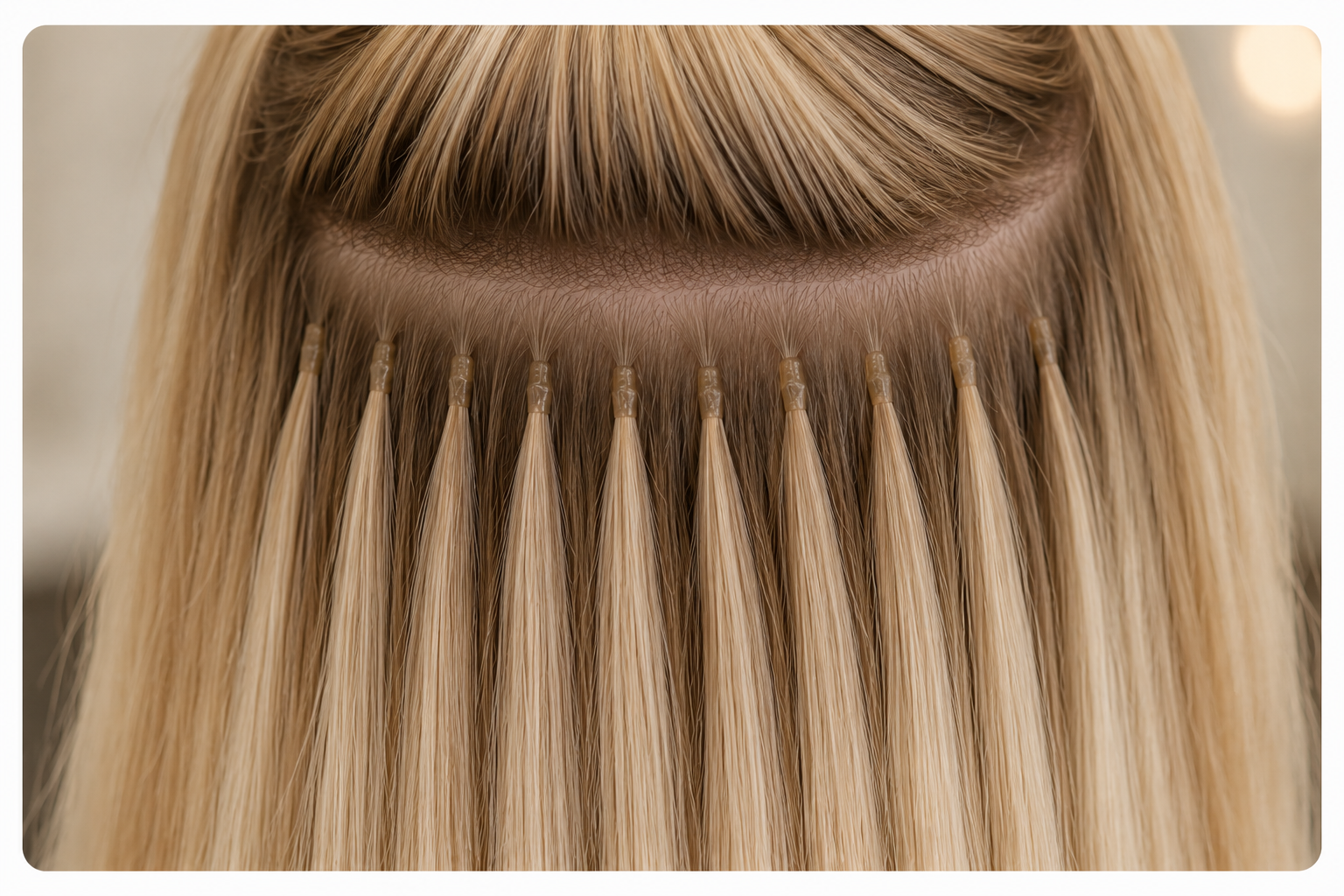
How Keratin Fusion Extensions Are Applied
Applying keratin fusion extensions is a detailed, customized process that requires professional training and precision to achieve a seamless, natural-looking result.
The Application Process
The hair is first washed, dried, and carefully sectioned.
Small strands of extension hair are then matched and attached to the natural hair using keratin bonds.
Depending on the method, the bonds are applied using either heat or ultrasonic technology.
Once complete, the extensions are blended, trimmed, and styled for a soft, natural finish.
Because keratin fusion extensions are applied strand by strand, installation appointments are typically longer and can take several hours depending on the amount of hair, density, and desired result.
Working with an experienced professional hair extension service is essential to help ensure proper placement, comfort, longevity, and overall hair health.
Benefits of Fusion Hair Extensions
Keratin fusion extensions offer several benefits for clients looking for long-term length, fullness, and a natural-looking result.
Natural-Looking Blend
Because the extensions are applied strand by strand, keratin fusion extensions blend seamlessly with the natural hair for soft movement and a discreet finish.
Lightweight Feel
The small keratin bonds create a flexible, lightweight feel that works especially well for clients looking for comfortable, natural-looking fullness.
Long-Lasting Results
With proper maintenance and care, keratin fusion extensions can typically last up to 3 to 4 months before removal or reinstallation is needed.
Styling Flexibility
Keratin fusion extensions can usually be curled, straightened, blow-dried, and styled similarly to natural hair while maintaining a soft, seamless look.
Customized Fullness & Length
This method is ideal for clients looking to add volume, length, dimension, or a more dramatic transformation while still maintaining a natural appearance.
Important Considerations for Keratin Fusion Extensions
Keratin fusion extensions are considered a premium, long-term extension method and require proper maintenance and professional care to keep both the extensions and natural hair looking their best.
Investment
Because of the detailed installation process and high-quality extension hair used, keratin fusion extensions are typically a larger investment compared to more temporary extension methods.
Maintenance
Regular brushing, proper at-home care, and professional maintenance are important to help prevent tangling and keep the bonds looking clean and seamless.
Installation Time
Since the extensions are applied strand by strand, installation appointments are usually longer than methods like tape-ins or wefts. However, this allows for a more customized and natural-looking result.
Professional Application
Proper application and removal are essential. When installed and maintained correctly by an experienced stylist, keratin fusion extensions can provide lightweight, comfortable, and natural-looking long-term wear.

Marina Vogel
“Fusion extensions are often called a 'high-maintenance' luxury, what is the reality for the average client?”
At Mavo, I always tell my clients that while Fusion (K-Tips) are the most discreet extensions on the market, they are also the most 'committed.' You aren't just wearing hair; you’re wearing a specialized bond that requires a specific lifestyle shift.
First-Hand Experience: The 'Matting' Myth
I’ve seen clients come in with severe matting after only six weeks because they weren't separating their bonds daily. I recently worked with a client who loved the look but lived an active, outdoorsy lifestyle. We switched her to a strict 'double-braid' sleep routine and professional-only products. She went from struggling with tangles to having a flawless 12-week wear. The drawbacks only become real issues when the home-care routine is ignored.
Expert Tip: The biggest 'silent' drawback is using products with oils or silicones near the scalp. These will slide your bonds right out. If you aren’t willing to switch to extension-safe, sulfate-free products, Fusion may not be the right investment for you.
Cost & Investment
The cost of keratin fusion extensions can vary depending on the amount of hair needed, the extension quality, and the level of customization involved in the installation.
Because keratin fusion extensions are applied strand by strand using high-quality human hair, they are considered a more premium extension method compared to more temporary options.
Unlike methods that require regular move-up appointments, keratin fusion extensions are typically worn for approximately 3 to 4 months before being professionally removed and fully reinstalled.
While the initial investment is higher, many clients love keratin fusion extensions for their long-lasting wear, lightweight feel, and seamless, natural-looking results.
Care & Maintenance Guide
Proper aftercare plays a major role in how long keratin fusion extensions last and how healthy the natural hair remains throughout the wear period.
Washing
Use sulfate-free, extension-safe products and avoid overwashing the hair to help maintain softness and bond integrity.
Brushing
Brush gently using an extension-friendly brush, working from the ends upward to help prevent tangling around the bonds.
Heat Styling
Always use heat protection when styling with hot tools and avoid applying direct heat to the keratin bonds themselves.
Sleeping & Daily Care
Sleeping with loosely braided hair or using a silk pillowcase can help reduce friction, tangling, and unnecessary stress on the extensions.
Active Lifestyles
For workouts, beach days, swimming, or hot yoga, keeping the hair protected and properly brushed helps maintain both the extensions and natural hair in the best condition possible.
Proper maintenance helps keep keratin fusion extensions looking soft, seamless, and natural throughout the wear period.
Preventing Damage & Expert Tips
Proper installation, maintenance, and removal all play an important role in keeping both the extensions and natural hair healthy throughout the wear period.
Gentle Daily Care
Avoid excessive pulling, rough brushing, or unnecessary tension around the keratin bonds to help prevent breakage and tangling.
Hydration & Hair Health
Using hydrating masks, professional treatments, and extension-safe products can help maintain softness, shine, and overall hair integrity.
Pay Attention to the Bonds
If you notice excessive tangling, slipping, matting, or discomfort, it is important to schedule a professional evaluation rather than attempting to remove or adjust the extensions yourself.
With proper care and professional guidance, keratin fusion extensions can provide long-lasting, lightweight, and natural-looking results while maintaining the health of your natural hair.

Signs It May Be Time for Removal or Reinstallation
Over time, natural hair growth and daily wear can affect how keratin fusion extensions look and feel. Some common signs it may be time for professional removal or reinstallation include:
Tangling or matting around the bonds
Excessive shedding or breakage
Noticeable grow-out from natural hair growth
Discomfort or tension around the scalp
Keratin fusion extensions are typically designed to be worn for up to 3 to 4 months before professional removal and reinstallation is recommended.
At MAVO Hairlounge, we also include a complimentary checkup appointment within the first few weeks after the initial installation to ensure the extensions feel comfortable, blend properly, and everything is settling beautifully.
Professional removal is always recommended to help protect the integrity of the natural hair and prevent unnecessary damage.
If you are ready to add length, fullness, or a seamless transformation, you can book your hair experience today for a personalized consultation and professional installation.
Conclusion
Keratin fusion hair extensions are a premium, long-term option for clients looking for natural-looking length, fullness, movement, and a seamless blend. With proper installation, professional removal, and the right at-home care, they can provide soft, lightweight, and beautiful results for months.
Understanding the application process, maintenance, and overall commitment involved helps ensure the best possible experience and long-term hair health. When customized correctly, keratin fusion extensions can create one of the most natural and luxurious extension transformations available.
FAQs
-
When applied and maintained correctly by professionals, fusion extensions minimize damage. Avoid DIY installations to protect natural hair.
-
Typically 8–12 weeks per installation. Proper maintenance can extend their longevity.
-
Yes, high-quality human hair can be removed, reshaped, and reapplied if the bonds are intact.
-
Fusion extensions blend well with long layers, soft waves, and sleek styles. Avoid tight ponytails or buns that put stress on bonds
Read more…