How Long Do Hair Extensions Last? Complete Guide to Types, Care & Lifespan

Hair extensions can completely transform the way your hair looks and feels, adding fullness, length, dimension, and confidence. One of the most common questions we hear at MAVO Hairlounge is: how long do hair extensions actually last?
The answer depends on several factors, including the extension method, your hair type, your daily routine, and how well the hair is maintained both at home and in the salon. With proper care and professional maintenance, high-quality extensions can stay looking beautiful, soft, and seamless for months.
At MAVO Hairlounge, we specialize in customized extension services designed around your lifestyle, hair goals, and hair health. Whether you are looking for added volume, length, or a complete transformation, our team focuses on creating natural-looking results that feel comfortable, luxurious, and easy to maintain.
Factors That Affect Hair Extension Longevity
Several factors play a role in how long your hair extensions will last and how well they maintain their look over time.
Hair Type and Texture
Your natural hair type and density play a big role in choosing the right extension method and how long your extensions will last. Fine hair may require lighter methods to avoid tension, while thicker hair can typically support fuller installations. Wavy or textured hair may also need a little extra maintenance to keep extensions looking soft, seamless, and healthy. At MAVO Hairlounge, every extension service is customized to your individual hair goals and lifestyle.
Installation Method
The extension method you choose plays a major role in both longevity and maintenance. At MAVO Hairlounge, our signature method is keratin bond extensions, also known as K-tips, loved for their natural movement, seamless blend, and long-lasting results. We also specialize in weft extensions, tape-ins, and customized hybrid methods that combine different techniques for a more personalized result. With proper maintenance and at-home care, professional hair extensions can stay looking beautiful and healthy for several months.
Hair Care Routine
Proper maintenance is one of the biggest factors in keeping hair extensions looking beautiful and protecting the health of your natural hair. Using professional products, brushing correctly, keeping up with maintenance appointments, and following proper at-home care all make a major difference in the longevity of extensions.
Hair extensions are an investment, and they do require daily care and upkeep. Neglecting maintenance can lead to tangling, matting, shedding, and unnecessary stress on the natural hair. At MAVO Hairlounge, we always educate our clients on the best maintenance routine to help keep their hair looking healthy, seamless, and long-lasting.
Lifestyle Factors
Your lifestyle can also affect how long your extensions last and which method may work best for you. Frequent beach days, swimming, hot yoga, intense workouts, and constant exposure to sun, saltwater, chlorine, or sweat may require a little extra maintenance and care.
Hair extensions can absolutely work with an active South Florida lifestyle, but choosing the right method and following proper aftercare is important to keep both the extensions and natural hair healthy long-term.
How Long Different Hair Extensions Last
Not all extensions are created equal, and their lifespan varies by type. Here is a detailed breakdown:
Keratin Bond Extensions (K-Tips)
Keratin bond extensions, also known as K-tips or fusion extensions, are one of the most natural-looking and long-lasting extension methods available. Applied strand by strand for maximum movement and flexibility, they blend seamlessly into the natural hair and can last up to 3 to 4 months with proper care.
This method is ideal for clients looking for comfortable wear, versatile styling, and a highly customized result. Proper brushing, professional products, and regular at-home maintenance are important to keep both the extensions and natural hair healthy throughout the wear period.
Tape-in Extensions
Tape-in extensions are a quick and lightweight extension option that can create beautiful fullness and length with a seamless finish. They typically require maintenance and re-taping every 4 to 6 weeks, depending on hair growth and lifestyle.
The hair itself can often be reused multiple times when properly maintained and professionally reinstalled. To help extend the life of tape-in extensions, we recommend using professional products, avoiding heavy oils near the adhesive area, and following proper brushing and at-home care routines.
Weft Extensions
Weft extensions are one of the most popular options for adding fullness and length while still maintaining a soft, natural look. Depending on the installation method and maintenance routine, weft extensions typically require move-up appointments every 6 to 8 weeks.
Modern weft methods, including hand-tied and beaded techniques, can be customized based on the client’s hair type, density, and desired result. This method is especially popular for clients looking for reusable hair, fuller volume, and comfortable long-term wear.
With proper maintenance and regular salon appointments, weft extensions can remain beautiful, secure, and easy to maintain for months.
Wavy & Textured Hair Considerations
Clients with wavy or textured hair may require a more customized extension approach to ensure a seamless blend and comfortable wear. Choosing the right hair texture and extension method is important for maintaining a natural look and preventing tangling or unnecessary stress on the hair.
Using professional products, regular brushing, hydration, and proper at-home care can help keep both the natural hair and extensions looking healthy, soft, and manageable long-term.
Tips to Help Your Extensions Last Longer
Maintaining hair extensions goes far beyond the initial installation. Proper at-home care and regular salon maintenance are key to keeping extensions looking beautiful, soft, and long-lasting.
Use Professional Products
We recommend sulfate-free, professional haircare products to help maintain moisture, shine, and the integrity of both the extensions and natural hair.
Brush Gently & Consistently
Always brush extensions carefully, starting from the ends and working upward to avoid unnecessary tension near the attachment points. Daily brushing helps prevent tangling and matting.
Be Mindful with Heat Styling
Excessive heat can dry out extensions over time, so using a heat protectant and lowering heat settings when possible will help extend the life of the hair.
Keep Up with Maintenance Appointments
Regular move-up appointments and professional maintenance are essential for keeping extensions comfortable, seamless, and healthy long-term.
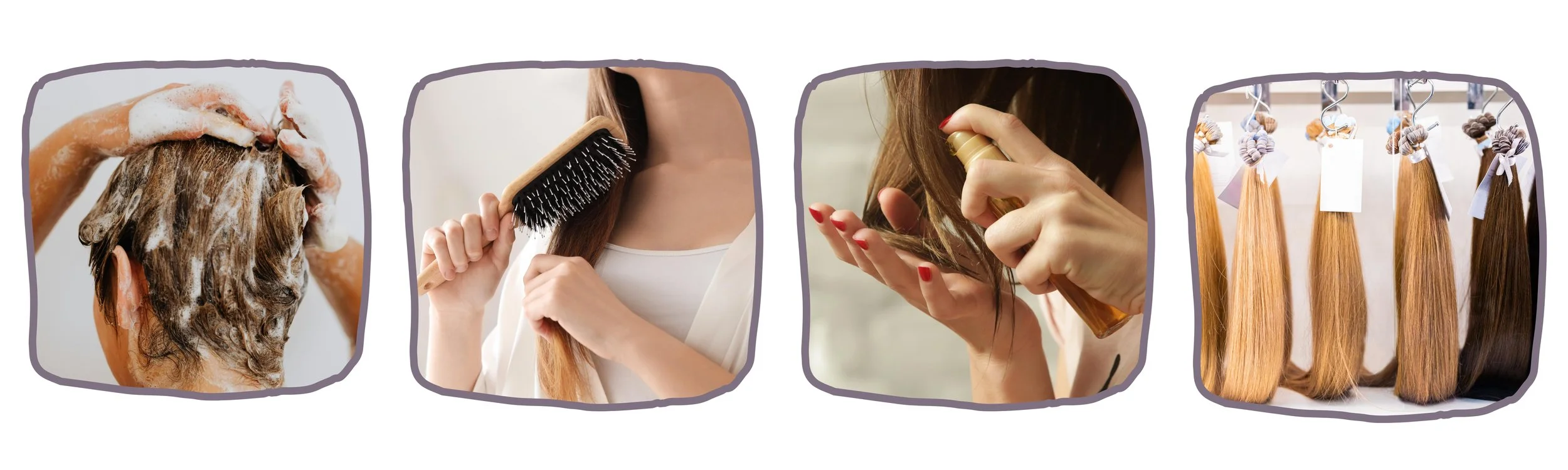
Professional guidance also plays a major role in maintaining extensions properly. At MAVO Hairlounge, we recommend customized products and maintenance routines based on each client’s specific extension method, lifestyle, and hair goals to help keep both the extensions and natural hair healthy long-term.
Real Results & Long-Term Maintenance
One of the biggest factors in extension longevity is consistency with maintenance and at-home care. Clients who follow their recommended maintenance schedule, use professional products, and properly care for their hair at home often experience significantly better long-term results.
At MAVO Hairlounge, we focus on creating realistic, customized extension plans that fit each client’s lifestyle and hair goals. With the right method and proper upkeep, extensions can remain soft, seamless, comfortable, and healthy-looking for months.
When Is It Time to Replace Your Extensions?
Knowing when to replace or refresh your extensions is just as important as proper maintenance. Over time, extensions naturally experience wear and may need to be reinstalled or replaced depending on the method and condition of the hair.
Some common signs it may be time for maintenance or new hair include:
Increased tangling or matting
Excessive shedding
Dryness or loss of softness and shine
Visible grow-out or loosened attachment points
Keeping up with professional maintenance appointments helps protect the natural hair and keeps extensions looking seamless, comfortable, and natural.
If you’re considering extensions or are unsure which method is best for your lifestyle and hair goals, scheduling a professional consultation is always the best place to start.
Marina Vogel
“How do professionals recommend selecting the best type of hair extensions?”
"The best extension method depends on your hair type, lifestyle, maintenance preferences, and overall hair goals. At MAVO Hairlounge, every extension consultation is customized to create the most natural-looking, comfortable, and long-lasting result possible. Clients looking for flexibility and seamless movement often love keratin bond extensions (K-tips), while others may be better suited for weft extensions, tape-ins, or customized hybrid methods. Choosing the right method and maintaining it properly helps keep both the extensions and natural hair healthy long-term."
"Professional consultations help create a customized extension plan designed specifically for your hair type, lifestyle, and desired result.”
Final Thoughts
Hair extensions are an investment in both beauty and confidence, and choosing the right method, stylist, and maintenance routine makes all the difference. With proper care and professional upkeep, extensions can stay looking soft, seamless, and healthy for months.
At MAVO Hairlounge, we believe extensions should look effortless, feel comfortable, and blend naturally with your lifestyle and hair goals. Whether you’re looking for added fullness, length, or a complete transformation, a professional consultation is always the best place to start.
FAQs
-
It depends on the type. Clip-ins last a few weeks, tape-ins last 6 to 8 weeks, sew-ins last 6 to 12 weeks, and fusion extensions can last 3 to 6 months. Proper maintenance can extend these timelines.
-
Yes, but curly extensions require more care. Gentle detangling, conditioning, and avoiding tight hairstyles help prevent matting and maintain longevity.
-
Yes, but chlorine, saltwater, and sweat can affect adhesion or bonds. Rinse hair after swimming and use protective hairstyles during workouts.
Read more…